A Complete Guide to ELISA for Transmembrane Protein Quantification: From Principles to Clinical Applications
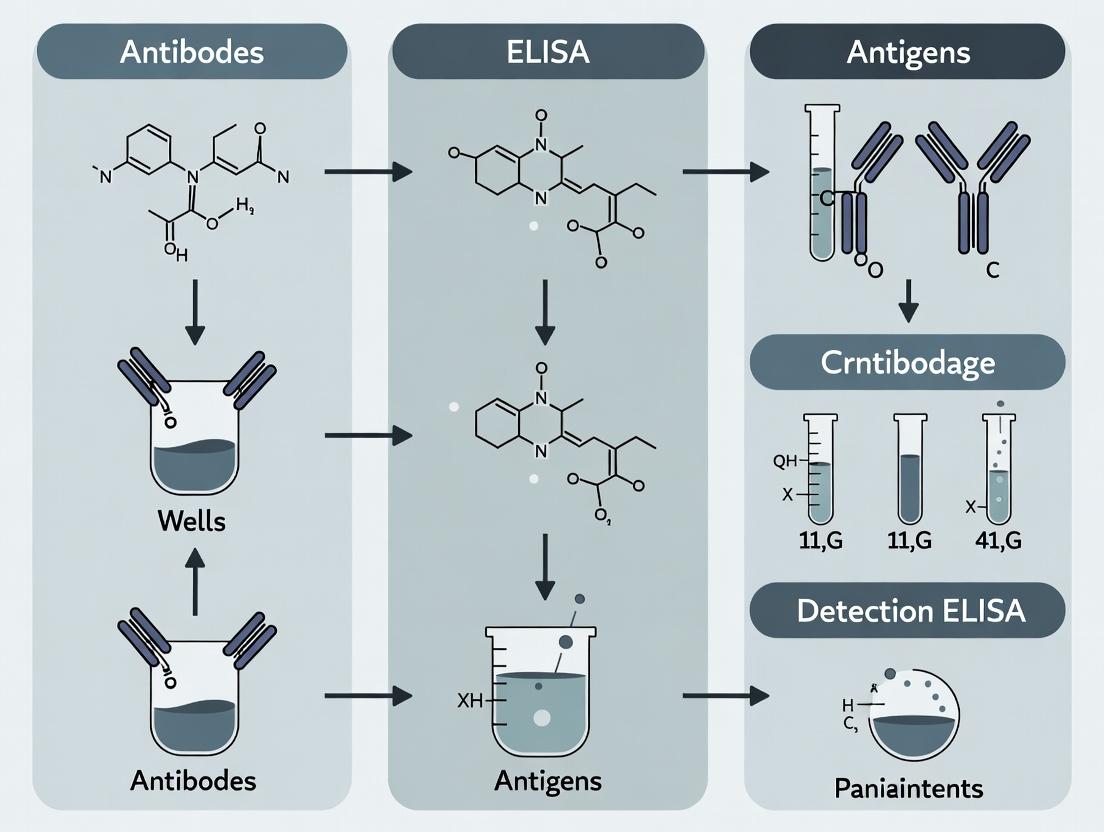
This comprehensive guide details the application of Enzyme-Linked Immunosorbent Assay (ELISA) for the precise quantification of specific transmembrane proteins.
A Complete Guide to ELISA for Transmembrane Protein Quantification: From Principles to Clinical Applications
Abstract
This comprehensive guide details the application of Enzyme-Linked Immunosorbent Assay (ELISA) for the precise quantification of specific transmembrane proteins. Aimed at researchers, scientists, and drug development professionals, it covers foundational biology, methodological best practices for sample preparation and assay configuration, troubleshooting of common challenges, and validation strategies against techniques like flow cytometry and Wes. The article provides a critical resource for advancing biomarker discovery, therapeutic development, and clinical diagnostics reliant on accurate membrane protein measurement.
Understanding Transmembrane Proteins: Why ELISA is a Critical Quantification Tool
1. Introduction and Biomedical Context Transmembrane proteins (TMPs) are integral membrane proteins that span the phospholipid bilayer of cells and organelles. Their structure enables unique functions as receptors, channels, transporters, and adhesion molecules, making them critical in signal transduction, cellular homeostasis, and intercellular communication. Consequently, TMPs are primary targets for pharmaceutical intervention, with over 60% of current drug targets being membrane proteins, primarily G protein-coupled receptors (GPCRs). Accurate quantification of specific TMPs in complex biological samples is a cornerstone of both basic research and drug development pipelines. Within the broader thesis on ELISA development, this document provides essential background and standardized protocols for the isolation, characterization, and quantification of TMPs, which present unique challenges due to their hydrophobic domains and complex native conformations.
2. Structural Classification and Functional Roles TMPs are classified by their membrane-spanning topology. Quantitative data on major classes and their prevalence is summarized in Table 1.
Table 1: Major Classes of Human Transmembrane Proteins
| Class | Topology | Estimated Number in Human Genome | Primary Functional Role | Example |
|---|---|---|---|---|
| Single-Pass (Type I & II) | One transmembrane α-helix | ~2,500 proteins | Cell signaling, adhesion, recognition | Receptor Tyrosine Kinases (e.g., EGFR) |
| Multi-Pass | Multiple α-helices (often 7 or 12) | ~1,100 proteins (GPCRs: ~800) | Signal transduction, ion transport | GPCRs, Ion Channels (e.g., CFTR) |
| Beta-Barrel | Antiparallel β-sheets forming a pore | ~100 proteins (in mitochondria/chloroplasts) | Passive transport, pore formation | Mitochondrial Porin (VDAC) |
| Single-Pass (Type III) | One transmembrane domain, often as a β-sheet | Limited | Cell adhesion, viral fusion proteins | Glycophorin A |
3. Key Experimental Protocol: Detergent-Based Solubilization of TMPs for ELISA The integrity of TMP epitopes is crucial for antibody-based detection in ELISA. This protocol details the extraction of TMPs from cell membranes while preserving antigenicity.
- Objective: To solubilize TMPs from a pelleted membrane fraction using compatible detergents for downstream coating in a sandwich ELISA.
- Materials: Cell pellet, Hypotonic Lysis Buffer (10 mM Tris-HCl, pH 7.4, 1 mM EDTA), Ultracentrifuge, Solubilization Buffer (50 mM Tris-HCl, pH 7.4, 150 mM NaCl, 10% glycerol), Detergent (e.g., n-Dodecyl-β-D-maltoside (DDM) at 1% w/v, or CHAPS), Protease inhibitor cocktail.
- Procedure:
- Membrane Preparation: Resuspend cell pellet in ice-cold Hypotonic Lysis Buffer. Incubate on ice for 30 min, then homogenize with a Dounce homogenizer. Clear lysate of nuclei and debris by centrifugation at 1,000 x g for 10 min at 4°C.
- Membrane Pellet Isolation: Transfer supernatant to ultracentrifuge tubes. Pellet membranes at 100,000 x g for 45 min at 4°C.
- Solubilization: Gently resuspend the membrane pellet in Solubilization Buffer. Add detergent from a concentrated stock to the desired final concentration (e.g., 1% DDM). Rotate gently at 4°C for 2 hours.
- Clarification: Centrifuge the solubilized mixture at 20,000 x g for 30 min at 4°C to remove insoluble material.
- ELISA Coating: Dilute the clarified supernatant in an appropriate carbonate/bicarbonate coating buffer. The optimal dilution and detergent concentration for plate coating must be determined empirically to balance epitope presentation and binding efficiency. Proceed with standard ELISA steps.
- Critical Notes: Detergent choice is target-dependent; non-ionic detergents like DDM are often preferred for maintaining protein-protein interactions. The presence of detergent may interfere with antibody binding and must be controlled for in assay development.
4. The Scientist's Toolkit: Key Reagent Solutions for TMP Research Table 2: Essential Research Reagents for Transmembrane Protein Work
| Reagent/Material | Function & Importance |
|---|---|
| Mild Non-Ionic Detergents (DDM, Digitonin) | Solubilizes TMPs by mimicking the lipid bilayer, preserving native conformation and protein complexes. |
| Protease & Phosphatase Inhibitor Cocktails | Prevents degradation and preserves post-translational modification states (e.g., phosphorylation) during extraction. |
| Lipid/Cholesterol Supplements (e.g., CHS) | Added to solubilization buffers to stabilize GPCRs and other lipid-dependent TMPs, enhancing stability and functionality. |
| Biotinylated Lectins (WGA, ConA) | Used to capture glycosylated TMPs via their extracellular sugar moieties for purification or oriented immobilization. |
| Membrane-Targeting Tags (e.g., rho1D4, SNAP-tag) | Affinity tags designed for efficient purification and detection of recombinant TMPs from membrane fractions. |
| Nanodiscs/Styrene Maleic Acid (SMA) Copolymers | Provide a native-like phospholipid environment for solubilized TMPs, superior to detergent micelles for functional studies. |
5. Signaling Pathway Visualization: GPCR-Mediated cAMP Pathway A canonical pathway for a major TMP class (GPCR) relevant to drug discovery and ELISA target validation.
Title: GPCR Signal Transduction Pathway Leading to cAMP Production
6. Experimental Workflow Visualization: TMP-Targeted ELISA Development The logical workflow from sample preparation to data analysis for a TMP-specific ELISA.
Title: Workflow for Developing a Transmembrane Protein ELISA Assay
The accurate quantification of specific transmembrane proteins via ELISA presents significant challenges due to inherent protein hydrophobicity, low endogenous abundance, and the complexity of extraction from lipid bilayers without compromising antigenicity. This application note details optimized protocols and reagent solutions to overcome these hurdles, enabling reliable detection for research and drug development.
Transmembrane proteins, particularly GPCRs, ion channels, and transporters, are critical therapeutic targets. Their quantification is essential for understanding expression patterns, drug binding, and signaling modulation. However, standard ELISA workflows often fail due to:
- Hydrophobicity: Transmembrane domains necessitate stringent detergents for solubilization, which can interfere with antibody-epitope binding.
- Low Abundance: Many targets are expressed at <1000 copies per cell.
- Complex Extraction: Maintaining native conformation and epitope accessibility post-extraction is difficult.
Research Reagent Solutions Toolkit
| Reagent Category | Specific Product/Type | Function & Critical Note |
|---|---|---|
| Specialized Lysis Buffers | Membrane Protein Extraction Kits (e.g., Thermo Fisher Mem-PER Plus) | Selective solubilization of membrane proteins using optimized detergent cocktails. Preserves protein conformation better than harsh ionic detergents like SDS. |
| Stabilizing Additives | CHS (Cholesteryl Hemisuccinate), Lipids | Added to lysis/assay buffers to maintain stability and function of extracted proteins, particularly for GPCRs. |
| High-Affinity Capture Agents | Nanobody-coated or Lipid-Nanodisc Coated Plates | Provides a membrane-mimetic environment or targeted capture that preserves conformational epitopes. Superior to passive adsorption. |
| Signal Amplification Systems | Polymer-based HRP/AP conjugates, Tyramide Signal Amplification (TSA) | Critical for detecting low-abundance targets. Polymer systems carry multiple enzyme labels per antibody, dramatically increasing sensitivity. |
| Validation Antibodies | Antibodies targeting different extracellular domains (ECD) | Confirms specificity. A sandwich ELISA requires a pair of antibodies recognizing non-overlapping ECD epitopes. |
Optimized Protocols
Native Membrane Protein Extraction & Solubilization Protocol
Objective: To extract transmembrane proteins in a soluble, immunoreactive form.
- Cell Washing: Wash cell monolayer (1x10⁷ cells) twice with ice-cold PBS.
- Gentle Permeabilization: Incubate with 1 mL of Hypotonic Buffer (10 mM Tris, pH 7.4, 1 mM EDTA) containing 0.01% digitonin for 10 min on ice. Centrifuge (500 x g, 5 min). Discard supernatant (contains cytosolic proteins).
- Membrane Protein Solubilization: Resuspend pellet in 500 µL of Specialized Lysis Buffer (e.g., 50 mM HEPES, 150 mM NaCl, 1% n-dodecyl-β-D-maltoside (DDM), 0.2% cholesteryl hemisuccinate (CHS), protease inhibitors). Rotate at 4°C for 2 hours.
- Clarification: Centrifuge at 16,000 x g for 30 min at 4°C. Collect supernatant (solubilized membrane fraction).
- Buffer Exchange: Use a gravity-flow desalting column to exchange buffer into Coating/Assay Buffer (e.g., 0.05% DDM, 0.01% CHS in PBS). This reduces detergent concentration to non-interfering levels for assay.
Sandwich ELISA Protocol for Low-Abundance Targets
Objective: Quantify a specific transmembrane protein (e.g., GPCR) with high sensitivity.
- Plate Coating: Coat high-binding 96-well plate with 100 µL/well of Capture Nanobody (2 µg/mL in PBS with 0.05% DDM). Incubate overnight at 4°C.
- Blocking: Wash 3x with Wash Buffer (PBS + 0.05% Tween-20). Block with 200 µL/well of Blocking Buffer (3% BSA in PBS + 0.05% DDM) for 2 hours at RT.
- Sample & Standard Incubation: Prepare a standard curve using recombinant protein reconstituted in Assay Buffer (1% BSA, 0.05% DDM in PBS). Load 100 µL of standards or extracted samples (from Protocol 3.1). Incubate 2 hours at RT on a shaker.
- Detection Antibody Incubation: Wash 5x. Add 100 µL/well of Biotinylated Detection Antibody (1 µg/mL in Assay Buffer). Incubate 1 hour at RT.
- Signal Amplification: Wash 5x. Add 100 µL/well of Polymerized Streptavidin-HRP conjugate. Incubate 30 min at RT, protected from light.
- Detection & Quantification: Wash 5x. Add 100 µL/well of TMB substrate. Incubate 5-15 min. Stop with 100 µL 1M H₂SO₄. Read absorbance at 450 nm immediately.
Data Presentation: Comparative Analysis of Extraction & Detection Methods
Table 1: Efficacy of Detergent Systems on Target Recovery & ELISA Signal
| Detergent System | Target Recovery (%)* | ELISA Signal (OD450)* | Epitope Preservation (1-5 Scale) |
|---|---|---|---|
| 1% DDM + 0.2% CHS | 100 ± 8 | 1.25 ± 0.12 | 5 |
| 1% Triton X-100 | 75 ± 10 | 0.85 ± 0.09 | 3 |
| 60 mM CHAPS | 65 ± 12 | 0.70 ± 0.11 | 4 |
| 1% SDS | 95 ± 5 | 0.15 ± 0.05 | 1 |
*Data normalized to DDM/CHS recovery from a model GPCR-expressing cell line (n=3).
Table 2: Sensitivity Limits of Different ELISA Configurations
| Assay Configuration | Limit of Detection (LOD) | Dynamic Range | CV (%) Intra-Assay |
|---|---|---|---|
| Standard Direct ELISA | ~10 pg/mL | 10 - 2000 pg/mL | 12.5 |
| Sandwich ELISA (Polyclonals) | ~2 pg/mL | 2 - 5000 pg/mL | 8.7 |
| Nanobody Capture + Polymer-HRP | 0.5 pg/mL | 0.5 - 10,000 pg/mL | 6.2 |
| Nanobody Capture + TSA | 0.1 pg/mL | 0.1 - 5000 pg/mL | 7.8 |
Visualization of Workflows & Pathways
Diagram 1: Integrated Workflow for Transmembrane Protein ELISA
Diagram 2: From Membrane Target to Quantifiable Signal
This document, framed within a thesis on ELISA for quantifying specific transmembrane proteins (e.g., receptor tyrosine kinases, ion channels), details the core assay formats. Selection of format depends on the antigen's size, epitope availability, and required assay sensitivity, particularly critical when working with complex biological samples containing solubilized membrane proteins.
Key Considerations for Transmembrane Protein Quantification:
- Sample Preparation: Requires effective lysis buffers with non-ionic detergents (e.g., Triton X-100, NP-40) to solubilize proteins without destroying conformational epitopes.
- Capture Antibody Specificity: For sandwich assays, capturing and detecting antibodies must bind to distinct, non-overlapping epitopes. This can be challenging for small extracellular domains.
- Background: Non-specific binding from cellular lysates is high; rigorous blocking and wash steps are essential.
Core Assay Formats: Principles and Protocols
Sandwich ELISA
Principle: The target antigen is bound between a capture antibody immobilized on the plate and a detection antibody. This format is highly specific and sensitive, ideal for complex samples like cell lysates containing the transmembrane protein of interest. It requires the antigen to have at least two distinct epitopes.
Detailed Protocol for Transmembrane Protein Quantification:
- Coating: Dilute capture antibody (specific to extracellular epitope) in carbonate-bicarbonate coating buffer (pH 9.6). Add 100 µL/well to a high-binding polystyrene microplate. Seal and incubate overnight at 4°C.
- Blocking: Aspirate and wash plate 3x with PBS + 0.05% Tween-20 (PBST). Add 300 µL/well of blocking buffer (5% BSA in PBST or 10% FBS in PBS). Incubate for 2 hours at room temperature (RT).
- Sample/Antigen Incubation: Wash plate 3x with PBST. Prepare serial dilutions of the protein standard (recombinant extracellular domain) and clarified cell lysate samples in blocking buffer. Add 100 µL/well. Incubate for 2 hours at RT or overnight at 4°C with gentle shaking.
- Detection Antibody Incubation: Wash 5x with PBST. Add 100 µL/well of biotinylated detection antibody (specific to a different extracellular epitope) diluted in blocking buffer. Incubate for 1-2 hours at RT.
- Streptavidin-Enzyme Conjugate: Wash 5x with PBST. Add 100 µL/well of streptavidin-HRP diluted in blocking buffer. Incubate for 30-45 minutes at RT, protected from light.
- Signal Development: Wash 5x with PBST. Add 100 µL/well of TMB substrate. Incubate for 5-30 minutes at RT until color develops.
- Stop and Read: Add 50 µL/well of 2N H₂SO₄ to stop the reaction. Immediately measure absorbance at 450 nm with a reference wavelength of 570 or 620 nm.
Competitive ELISA
Principle: The sample antigen and a labeled reference antigen compete for binding to a limited amount of capture antibody. The signal is inversely proportional to the antigen concentration in the sample. Useful for measuring small antigens (e.g., peptide hormones) or haptens with single epitopes, or when only one specific antibody is available.
Detailed Protocol:
- Coating: Coat plate with purified target antigen (e.g., recombinant protein extracellular domain) at 1-10 µg/mL in coating buffer, 100 µL/well, overnight at 4°C.
- Blocking: Aspirate, wash, and block as in Sandwich ELISA steps 1 & 2.
- Competition Incubation: Premix a constant, known amount of detection antibody (specific to the transmembrane protein) with serially diluted standard or sample lysate. Incubate this mixture for 1-2 hours at RT. OR pre-incubate sample with detection antibody, then add to antigen-coated wells.
- Wash and Conjugate: Wash plate 5x with PBST. If using a directly labeled primary detection antibody, proceed to step 5. If using an unlabeled primary, add an enzyme-conjugated secondary antibody for 1 hour at RT, then wash 5x.
- Signal Development and Read: Develop and read signal as in Sandwich ELISA steps 6 & 7.
Direct ELISA
Principle: The antigen is directly immobilized on the plate and detected using an antigen-specific antibody conjugated to an enzyme. This is the simplest and fastest format but offers lower specificity and potential for higher background, often used for antibody titer determination or purified antigen analysis.
Detailed Protocol:
- Antigen Coating: Dilute purified antigen (e.g., solubilized membrane protein preparation) in coating buffer. Add 100 µL/well. Incubate overnight at 4°C.
- Blocking: Aspirate, wash, and block as in previous protocols.
- Primary Antibody Incubation: Wash 3x with PBST. Add 100 µL/well of enzyme-conjugated (e.g., HRP) primary antibody specific to the target, diluted in blocking buffer. Incubate for 2 hours at RT.
- Wash, Develop, and Read: Wash plate thoroughly 5x with PBST. Develop and read signal as described above.
Table 1: Comparative Analysis of ELISA Formats for Transmembrane Protein Research
| Parameter | Sandwich ELISA | Competitive ELISA | Direct ELISA |
|---|---|---|---|
| Sensitivity | High (pg/mL) | Moderate to High | Low to Moderate |
| Specificity | Very High (two antibodies) | High | Moderate |
| Antigen Requirement | At least two epitopes | Single epitope | Single epitope |
| Assay Time | Long (~1.5 days) | Moderate (~1 day) | Short (4-5 hours) |
| Sample Complexity Handling | Excellent (lysates, serum) | Good | Poor (requires pure antigen) |
| Key Advantage for Transmembrane Proteins | Specific quantification from lysates; can assess conformation | Measures small domains; good for phosphorylation states | Rapid screening of purified proteins |
| Primary Disadvantage | Requires two non-competing antibodies | Signal decreases with concentration; dynamic range | High background; no signal amplification |
The Scientist's Toolkit: Research Reagent Solutions
Table 2: Essential Materials for Transmembrane Protein ELISA
| Item | Function & Rationale |
|---|---|
| High-Binding Polystyrene Plate | Maximizes adsorption of capture antibody or antigen via hydrophobic interactions. |
| Carbonate-Bicarbonate Buffer (pH 9.6) | Optimal alkaline pH for passive adsorption of proteins (antibodies) to plastic. |
| Non-Ionic Detergent (Triton X-100, NP-40) | Solubilizes transmembrane proteins from lipid bilayers during cell lysis without denaturing epitopes. |
| Protease/Phosphatase Inhibitor Cocktail | Preserves protein integrity and post-translational modification state (e.g., phosphorylation) in cell lysates. |
| Blocking Agent (BSA, Casein, FBS) | Saturates non-specific protein-binding sites on the plate to reduce background signal. |
| Biotinylated Detection Antibody | Enables strong signal amplification via streptavidin-biotin interaction; offers flexibility. |
| Streptavidin-HRP Conjugate | High-affinity binding to biotin; each streptavidin binds multiple biotins, amplifying signal. |
| Chromogenic Substrate (TMB) | Colorless substrate for HRP that turns blue upon oxidation; reaction is stopped with acid to yield yellow for measurement. |
| Microplate Washer | Ensures consistent and thorough removal of unbound reagents, critical for precision. |
| Plate Reader (Absorbance, 450 nm) | Precisely quantifies the intensity of the colorimetric reaction, proportional to antigen amount. |
Visualizations
Sandwich ELISA Workflow
Competitive ELISA Principle
ELISA Format Selection Logic
Within the context of a thesis focused on the quantification of specific transmembrane proteins—such as receptor tyrosine kinases (e.g., EGFR, HER2) or G-protein-coupled receptors (GPCRs)—the Enzyme-Linked Immunosorbent Assay (ELISA) remains a cornerstone technology. Its application for membrane-bound targets presents distinct advantages in sensitivity, specificity, and throughput, which are critical for receptor expression profiling, ligand-binding studies, and drug efficacy screening in preclinical and clinical research.
Quantitative Advantages of ELISA for Membrane Targets
The following table summarizes key performance metrics from contemporary studies utilizing ELISA for transmembrane protein analysis, compared to common alternative methods.
Table 1: Comparative Analysis of Transmembrane Protein Quantification Methods
| Method | Typical Sensitivity Range | Specificity Control | Throughput (Samples/Day) | Key Advantage for Membrane Targets | Primary Limitation |
|---|---|---|---|---|---|
| Sandwich ELISA | 1-10 pg/mL | High (Dual Antibody) | 96-384 (High) | Quantifies soluble ectodomains & full-length receptors from lysates; Excellent for phospho-specific detection. | Requires two non-competing epitopes; Optimized lysis buffer critical. |
| Western Blot | 0.1-1 ng | Moderate | 20-40 (Low) | Confirms molecular weight; Common for validation. | Semi-quantitative; Low throughput; Poor reproducibility. |
| Flow Cytometry | ~100-1000 molecules/cell | High (Cell Surface) | 10^4-10^5 cells (Medium) | Single-cell, surface-specific analysis. | Cannot quantify shed domains; Complex data analysis. |
| Immunohistochemistry | N/A (Semi-Quant.) | High (Spatial Context) | 10-20 (Very Low) | Tissue localization and context. | Poorly quantitative; subjective scoring. |
Detailed Protocols
Protocol 1: Sandwich ELISA for Quantifying Shed EGFR Ectodomain from Cell Culture Supernatant
This protocol is designed to quantify soluble EGFR (sEGFR) shed from the membrane of cancer cell lines, a key readout in studies of receptor activation and therapeutic antibody action.
- Coating: Dilute capture antibody (anti-EGFR, extracellular domain-specific) in carbonate-bicarbonate coating buffer (pH 9.6) to 2-4 µg/mL. Add 100 µL/well to a 96-well microplate. Seal and incubate overnight at 4°C.
- Washing & Blocking: Aspirate coating solution. Wash plate 3x with 300 µL/well of PBS containing 0.05% Tween-20 (PBST). Block with 200 µL/well of blocking buffer (e.g., 3% BSA in PBS or a commercial protein-free block) for 1-2 hours at room temperature (RT).
- Sample & Standard Addition: Prepare serial dilutions of recombinant human EGFR/Fc chimera in sample diluent (e.g., 1% BSA in PBST) for a standard curve (e.g., 2000 pg/mL to 15.6 pg/mL). Add 100 µL of standards, samples (cell culture supernatant, centrifuged to remove debris), and blank to appropriate wells. Incubate for 2 hours at RT or 1 hour at 37°C with gentle shaking.
- Detection Antibody Incubation: Wash plate 3x with PBST. Add 100 µL/well of biotinylated detection antibody (anti-EGFR, non-competing epitope) diluted in sample diluent. Incubate for 1-2 hours at RT.
- Streptavidin-Enzyme Conjugate: Wash plate 3x. Add 100 µL/well of streptavidin-Horseradish Peroxidase (HRP) conjugate, diluted per manufacturer's instructions. Incubate for 30-45 minutes at RT in the dark.
- Substrate Reaction & Stop: Wash plate 3-5x thoroughly. Add 100 µL/well of TMB (3,3’,5,5’-Tetramethylbenzidine) substrate. Incubate for 5-20 minutes until blue color develops. Stop the reaction by adding 50 µL/well of 2N H₂SO₄.
- Readout & Analysis: Measure absorbance immediately at 450 nm (reference 570 or 620 nm) on a plate reader. Generate a 4-parameter logistic (4PL) standard curve and interpolate sample concentrations.
Protocol 2: Cell-Based ELISA for Surface GPCR Quantification
This protocol is adapted for quantifying relative cell surface levels of a GPCR (e.g., CXCR4) in intact, fixed cells, ideal for screening compounds that affect receptor internalization or expression.
- Cell Seeding & Treatment: Seed cells expressing the target GPCR into a 96-well tissue culture-treated microplate (e.g., 20,000 cells/well). Culture until ~80% confluent. Treat cells as required (e.g., with ligand or antagonist).
- Fixation & Permeabilization (Optional): Gently aspirate medium. Wash once with warm PBS. Fix cells with 4% paraformaldehyde in PBS (100 µL/well) for 15 minutes at RT. For surface-only detection, do not permeabilize. For total receptor, permeabilize with 0.1% Triton X-100 in PBS for 10 minutes.
- Blocking: Remove fixative/permeabilization solution. Wash 2x with PBS. Block with 150 µL/well of blocking buffer (5% normal serum in PBS) for 1 hour at RT.
- Primary Antibody Incubation: Dilute primary antibody against the extracellular loop of the GPCR in blocking buffer. Add 50-100 µL/well. Incubate for 2 hours at RT or overnight at 4°C.
- Secondary Antibody Incubation: Wash cells 3x with PBS. Add HRP-conjugated secondary antibody (e.g., anti-rabbit IgG) diluted in blocking buffer. Incubate for 1 hour at RT in the dark.
- Substrate & Lysis: Wash plate 3x with PBS. Add 100 µL/well of a luminescent HRP substrate (e.g., Luminol-based). Read luminescence immediately on a plate reader. Alternatively, for colorimetric readout, use TMB, stop with acid, and gently lyse cells with 1% SDS before reading absorbance.
Visualizations
Sandwich ELISA Workflow for Soluble Ectodomains
RTK Signaling & Ectodomain Shedding Pathway
The Scientist's Toolkit: Key Research Reagent Solutions
Table 2: Essential Materials for Membrane Target ELISA
| Item | Function & Importance |
|---|---|
| High-Affinity, Epitope-Matched Antibody Pair | Critical for sandwich ELISA specificity. Capture and detection antibodies must bind non-competing epitopes on the target extracellular domain. |
| Cell Lysis Buffer (RIPA with Phosphatase/Protease Inhibitors) | For total membrane protein extraction. Must efficiently solubilize transmembrane proteins while preserving epitopes and phosphorylation states. |
| Recombinant Protein Standard (Full Extracellular Domain/Fc Chimera) | Essential for generating an absolute quantitative standard curve. Must be of known concentration and match the native protein's immunoreactivity. |
| Biotin-Streptavidin Amplification System | Employing biotinylated detection antibodies and streptavidin-HRP/AP enhances assay sensitivity significantly compared to direct HRP conjugation. |
| High-Binding, Low-Noise Microplates | Plates with modified polystyrene surfaces ensure optimal antibody coating efficiency and reduce non-specific background. |
| Validated Cell Line (Overexpressing/Native Target) | Essential for assay development and as a positive control. Cell lines with known receptor copy numbers are ideal for assay standardization. |
| HRP Chemiluminescent Substrate | Provides a wider dynamic range and higher sensitivity than colorimetric substrates (TMB), beneficial for low-abundance targets. |
Application Notes
Within the context of a broader thesis on ELISA for specific transmembrane protein quantification research, the ability to precisely measure these targets in complex biological matrices is foundational. Transmembrane proteins, such as receptor tyrosine kinases, G protein-coupled receptors (GPCRs), and immune checkpoint proteins, are critical in cellular signaling, disease pathogenesis, and therapeutic intervention. Their quantification presents unique challenges due to their hydrophobic domains, complex post-translational modifications, and often low extracellular domain abundance. ELISA platforms, particularly sandwich ELISA, have been adapted to overcome these hurdles, enabling sensitive and specific quantification of soluble ectodomains, full-length proteins in lysates, or receptor occupancy.
Biomarker Discovery
The discovery and validation of soluble forms of transmembrane proteins as disease biomarkers rely on robust, high-throughput quantification. ELISA is indispensable for profiling candidate biomarkers in large clinical cohorts. For instance, quantifying soluble PD-L1 (sPD-L1) in serum or plasma via ELISA has been correlated with disease progression and treatment response in various cancers. Recent studies (2023-2024) highlight multiplexed ELISA platforms that simultaneously quantify panels of soluble transmembrane proteins, accelerating the identification of biomarker signatures with higher diagnostic power than single analytes.
Drug Target Engagement
Quantifying target engagement—the extent to which a therapeutic drug binds its intended transmembrane protein target—is crucial for pharmacokinetic/pharmacodynamic (PK/PD) modeling and dose optimization. ELISA-based assays, such as occupancy assays, measure the fraction of target occupied by a therapeutic antibody or drug. A 2024 study on a novel anti-HER2 therapeutic used a bridging ELISA format to demonstrate >90% receptor occupancy at clinically relevant doses in patient serum samples, directly linking occupancy to therapeutic efficacy.
Clinical Diagnostics
Validated ELISA kits for specific transmembrane proteins are transitioning into clinical diagnostics. Quantification of soluble transferrin receptor (sTfR) via ELISA is a standard diagnostic for iron deficiency anemia. Furthermore, assays quantifying the soluble interleukin-2 receptor alpha (sIL-2Rα/CD25) are used in managing hematological malignancies and autoimmune diseases. The critical success factor is the demonstration of high clinical sensitivity and specificity in accredited laboratory settings.
Table 1: Key Performance Metrics for Transmembrane Protein ELISA Applications
| Application | Example Target | Sample Type | Typical Assay Range | Key Clinical/Drug Dev Correlation (Recent Findings) |
|---|---|---|---|---|
| Biomarker Discovery | Soluble PD-L1 (sPD-L1) | Human Serum | 0.1 - 10 ng/mL | Levels >3.5 ng/mL associated with shorter PFS in NSCLC (HR=1.82) |
| Biomarker Discovery | Soluble ACE2 (sACE2) | Human Plasma | 0.05 - 5 ng/mL | Elevated levels predict severity in cardiovascular events (p<0.01) |
| Drug Target Engagement | HER2 (Occupancy) | Tumor Lysate, Serum | 1 - 100 nM | >85% occupancy required for maximal tumor growth inhibition |
| Clinical Diagnostic | Soluble Transferrin Receptor (sTfR) | Human Serum | 0.5 - 50 mg/L | >2.8 mg/L diagnostic for iron deficiency (Specificity >95%) |
| Clinical Diagnostic | sIL-2Rα (CD25) | Human Serum | 50 - 5000 U/mL | >2500 U/mL indicates active Hodgkin’s Lymphoma |
Table 2: Comparison of ELISA Formats for Transmembrane Protein Analysis
| ELISA Format | Best For | Advantages | Limitations |
|---|---|---|---|
| Direct (Cell-Based) | Quantifying surface expression on fixed cells. | Simple, minimal steps. | High background, low specificity, requires purified antigen. |
| Sandwich (with Lysates) | Quantifying total protein (intra+extra) in cell/tissue lysates. | High specificity and sensitivity. | Requires two high-affinity, non-competing antibodies to different epitopes. |
| Sandwich (Soluble Ectodomain) | Quantifying shed ectodomains in biofluids. | Excellent for serum/plasma biomarkers. | Does not measure full-length membrane-bound protein. |
| Competitive/Inhibition | Measuring small molecules or antibodies competing for a single epitope (e.g., occupancy). | Good for small antigens or single-epitope binding. | Less sensitive than sandwich assays. |
| Bridging (for Therapeutic Antibodies) | Detecting receptor-drug complexes. | Direct measure of drug-target engagement. | Requires specific anti-idiotype antibodies. |
Experimental Protocols
Protocol 1: Sandwich ELISA for Soluble Transmembrane Protein Ectodomain in Human Serum (e.g., sPD-L1)
Principle: This protocol uses two monoclonal antibodies against distinct epitopes on the extracellular domain of the target protein to capture and detect the soluble form from serum samples.
Materials:
- Coating Antibody (Capture): Anti-PD-L1 monoclonal antibody (clone 28-8).
- Detection Antibody: Biotinylated anti-PD-L1 monoclonal antibody (clone 22C3).
- Recombinant Target Protein Standard.
- High-binding 96-well microplate.
- Coating Buffer: 0.1 M Carbonate-Bicarbonate, pH 9.6.
- Wash Buffer: PBS with 0.05% Tween-20 (PBST).
- Blocking Buffer: PBS with 1% BSA and 0.05% Tween-20.
- Sample Diluent: Blocking Buffer.
- Streptavidin-Horseradish Peroxidase (SA-HRP) conjugate.
- TMB Substrate Solution.
- Stop Solution: 1 M H2SO4.
- Plate reader capable of measuring absorbance at 450 nm (with 570 nm or 620 nm reference).
Procedure:
- Coating: Dilute capture antibody to 2 µg/mL in coating buffer. Add 100 µL/well to plate. Seal and incubate overnight at 4°C.
- Washing: Aspirate wells. Wash 3 times with 300 µL/well of wash buffer using a plate washer or manual squirt bottle. Blot plate on absorbent paper.
- Blocking: Add 300 µL/well of blocking buffer. Incubate for 1-2 hours at room temperature (RT). Wash as in step 2.
- Standard and Sample Addition: Prepare a 2-fold serial dilution of the standard in sample diluent (e.g., 1000 pg/mL to 15.6 pg/mL). Dilute human serum samples 1:2 or 1:5 in sample diluent. Add 100 µL of standard, sample, or diluent (blank) per well. Incubate for 2 hours at RT on an orbital shaker. Wash 5 times.
- Detection Antibody: Add 100 µL/well of biotinylated detection antibody at 0.5 µg/mL in sample diluent. Incubate for 1 hour at RT. Wash 5 times.
- Enzyme Conjugate: Add 100 µL/well of SA-HRP diluted per manufacturer's recommendation in sample diluent. Incubate for 30 minutes at RT in the dark. Wash 7 times.
- Substrate Development: Add 100 µL/well of TMB substrate. Incubate in the dark for 5-20 minutes until adequate blue color develops.
- Stop Reaction: Add 50 µL/well of stop solution. The color will turn yellow.
- Measurement: Read absorbance at 450 nm within 30 minutes. Subtract the reference wavelength (570 nm) reading. Generate a standard curve (4-parameter logistic fit) and interpolate sample concentrations.
Protocol 2: Cell Lysate ELISA for Full-Length Transmembrane Protein Quantification (e.g., HER2)
Principle: This protocol quantifies the total (membrane-bound and intracellular) target protein from cultured cell or tissue lysates.
Materials:
- RIPA Lysis Buffer (with protease and phosphatase inhibitors).
- BCA Protein Assay Kit.
- Coating Antibody: Anti-HER2 extracellular domain antibody.
- Detection Antibody: Anti-HER2 intracellular domain antibody, biotinylated.
- All other reagents as in Protocol 1.
Procedure:
- Lysate Preparation: Lyse cultured cells or homogenized tissue in ice-cold RIPA buffer. Centrifuge at 14,000 x g for 15 minutes at 4°C. Collect supernatant. Determine total protein concentration using the BCA assay.
- Coating & Blocking: Perform steps 1-3 from Protocol 1.
- Lysate and Standard Addition: Dilute cell lysates to a standardized total protein concentration (e.g., 1 mg/mL) in sample diluent. Use a recombinant full-length or intracellular domain protein standard. Add 100 µL/well. Incubate for 2 hours at RT. Wash 5 times.
- Detection and Development: Proceed with steps 5-9 from Protocol 1 using the anti-intracellular domain detection antibody.
Diagrams
Diagram 1: Sandwich ELISA Workflow for Soluble Ectodomain
Diagram 2: Target Engagement Occupancy Assay Logic
The Scientist's Toolkit
Table 3: Key Research Reagent Solutions for Transmembrane Protein ELISA
| Reagent / Material | Function & Importance | Example/Note |
|---|---|---|
| Matched Antibody Pair | Two monoclonal antibodies binding non-overlapping epitopes on the target. Critical for sandwich ELISA sensitivity and specificity. | Choose antibodies validated for ELISA (e.g., from R&D Systems, Abcam, Thermo Fisher). |
| Recombinant Protein Standard | Quantified, pure protein used to generate the standard curve. Must be identical to the analyte form (e.g., soluble ectodomain). | Essential for absolute quantification. Lyophilized standards require careful reconstitution. |
| Cell Lysis Buffer (RIPA) | Extracts total protein, including transmembrane proteins, from cells or tissues while maintaining epitope integrity. | Must include protease/phosphatase inhibitors to prevent degradation. |
| High-Binding Microplates | Polystyrene plates treated for optimal antibody/protein adsorption. Maximizes assay sensitivity and consistency. | Corning Costar 9018 or Nunc MaxiSorp are industry standards. |
| Biotin-Streptavidin Detection System | Signal amplification system. Biotinylated detection antibody binds multiple SA-HRP molecules, enhancing sensitivity. | Superior to direct HRP-conjugates for low-abundance targets. |
| HRP Chemiluminescent/Luminescent Substrate | Provides enhanced sensitivity over colorimetric TMB for very low abundance targets. | Ideal for biomarker discovery in large, dilute sample sets. |
| Multiplex ELISA Platform | Allows simultaneous quantification of multiple transmembrane protein targets from a single small sample volume. | Examples: Luminex xMAP, MSD U-PLEX, Lumit Immunoassay. |
Step-by-Step Protocol: Optimizing ELISA for Transmembrane Protein Detection
Accurate quantification of specific transmembrane proteins using ELISA in drug development research is fundamentally dependent on the initial steps of sample preparation and solubilization. The extraction of functional, immunoreactive membrane proteins from their native lipid bilayer is a critical vulnerability point that can compromise assay specificity, sensitivity, and reproducibility. This protocol details robust, contemporary strategies to navigate this challenge within a thesis focused on quantifying G Protein-Coupled Receptors (GPCRs) and receptor tyrosine kinases (RTKs) for therapeutic targeting.
Key Principles & Challenges
Membrane protein solubilization requires the disruption of the lipid bilayer and the substitution of lipid-protein interactions with detergent-protein interactions to maintain protein stability and epitope accessibility. Key challenges include:
- Preservation of Native Conformation & Epitopes: The solubilized protein must remain recognized by ELISA capture/detection antibodies.
- Prevention of Aggregation and Precipitation: Inadequate solubilization leads to loss of target protein.
- Minimization of Proteolytic Degradation: Rapid processing and effective protease inhibition are mandatory.
- Compatibility with Downstream ELISA: Detergents and buffers must not interfere with antigen-antibody binding or enzymatic detection steps.
Research Reagent Solutions Toolkit
| Reagent Category | Specific Example(s) | Primary Function in Solubilization | Key Consideration for ELISA |
|---|---|---|---|
| Detergents | n-Dodecyl-β-D-maltoside (DDM), Lauryl Maltose Neopentyl Glycol (LMNG) | Disrupt lipid bilayer, form micelles around hydrophobic protein domains. Maintain protein solubility. | Use at concentrations above CMC but below levels that denature epitopes. Non-ionic detergents preferred. |
| Protease Inhibitors | Complete Mini EDTA-free, PMSF, Aprotinin, Leupeptin | Inhibit serine, cysteine, metallo-, and aspartic proteases released during cell lysis. | Cocktails are essential. EDTA omitted if target protein requires divalent cations. |
| Phosphatase Inhibitors | Sodium Fluoride, β-Glycerophosphate, Sodium Orthovanadate | Preserve post-translational modification states (e.g., phosphorylation) during extraction. | Critical for signaling studies (e.g., RTK quantification). |
| Chaotropic Agents | Glycerol, Sucrose | Stabilize protein conformation, reduce aggregation, and maintain protein-protein interactions. | Commonly added at 5-10% (v/v) glycerol. |
| Buffering Systems | HEPES, Tris-HCl, Phosphate Buffers | Maintain physiological pH (typically 7.0-8.0) during extraction. | HEPES offers better pH stability during temperature shifts. |
| Reducing Agents | Dithiothreitol (DTT), Tris(2-carboxyethyl)phosphine (TCEP) | Prevent oxidation of cysteine residues and disulfide bond scrambling. | TCEP is more stable and compatible with maleimide conjugation chemistries. |
| Salt Solutions | Sodium Chloride, Potassium Chloride | Modulate ionic strength to disrupt weak lipid-protein or protein-protein interactions. | High salt (>150 mM) can help solubilize peripheral membrane proteins. |
Comparative Solubilization Buffer Formulations
Table 1: Buffer Compositions for Different Target Classes
| Component | General Purpose Buffer (GPCR-focused) | Robust Detergent Buffer (Integral Proteins) | Mild Detergent Buffer (Lipid-Raft Associated) |
|---|---|---|---|
| Buffer (pH 7.4) | 50 mM HEPES | 50 mM Tris-HCl | 50 mM MES |
| Detergent | 1% (w/v) DDM | 1% (w/v) LMNG + 0.1% (w/v) CHS | 1% (w/v) Brij-98 or Digitonin |
| Salt | 150 mM NaCl | 300 mM NaCl | 150 mM NaCl |
| Stabilizer | 10% (v/v) Glycerol | 5% (v/v) Glycerol | - |
| Protease Inhibitors | 1X Tablet/50ml | 1X Tablet/50ml + 1 mM PMSF | 1X Tablet/50ml |
| Phosphatase Inhibitors | 1 mM Na₃VO₄, 10 mM NaF | 1 mM Na₃VO₄, 10 mM NaF | 1 mM Na₃VO₄ |
| Reducing Agent | 1 mM TCEP | 1 mM TCEP | - |
| Primary Application | Solubilization of Class A GPCRs | Challenging multi-pass transporters, oligomers | Signaling complexes, phosphorylated receptor studies |
Table 2: Quantitative Impact of Solubilization Conditions on ELISA Recovery Data derived from model system: HEK293 cells overexpressing β2-Adrenergic Receptor (GPCR).
| Condition Variable | Protein Yield (μg/mg total lysate) | ELISA Signal (OD 450 nm) | % Aggregation (SEC-MALS) |
|---|---|---|---|
| Detergent: 1% DDM | 12.5 ± 1.2 | 2.85 ± 0.15 | 15% |
| Detergent: 1% Triton X-100 | 15.1 ± 1.5 | 1.20 ± 0.30 | 45% |
| Detergent: 0.5% LMNG | 14.8 ± 0.9 | 3.10 ± 0.10 | <5% |
| + Protease Inhibitors | 13.0 ± 1.1 | 2.95 ± 0.20 | - |
| - Protease Inhibitors | 8.5 ± 2.3 | 1.10 ± 0.40 | - |
| Solubilization Time: 1 hr | 11.8 ± 1.0 | 2.80 ± 0.18 | 18% |
| Solubilization Time: 16 hr | 13.5 ± 1.3 | 2.40 ± 0.25 | 12% |
Detailed Experimental Protocols
Protocol 1: Standardized Cell Pellet Preparation & Lysis for Adherent Cells
Objective: To harvest cells while preserving membrane integrity prior to solubilization.
- Grow adherent cells (e.g., HEK293, CHO) to 80-90% confluence in appropriate medium.
- Place culture dish on ice. Aspirate medium and wash cells gently twice with 10 mL of ice-cold 1X PBS (pH 7.4).
- Add 1 mL of ice-cold PBS containing 1 mM EDTA (PBS-EDTA) per 10 cm² dish. Incubate on ice for 5-10 minutes for gentle detachment.
- Gently pipette cells and transfer suspension to a pre-chilled 15 mL conical tube.
- Pellet cells at 500 x g for 5 minutes at 4°C.
- Critical: Carefully aspirate supernatant. Resuspend pellet in 1 mL ice-cold PBS and repeat centrifugation. This wash step removes residual EDTA and serum proteins.
- Snap-freeze the washed cell pellet in liquid nitrogen and store at -80°C, or proceed immediately to solubilization.
Protocol 2: Optimized Membrane Protein Solubilization for ELISA
Objective: To efficiently extract and solubilize the target transmembrane protein in an immunoreactive form. Materials: Pre-chilled solubilization buffer (see Table 1), benchtop rotator at 4°C, ultracentrifuge, 1.5 mL microcentrifuge tubes.
- Thaw the frozen cell pellet on ice. For every 1 x 10⁷ cells, add 200 µL of the chosen ice-cold solubilization buffer.
- Resuspend the pellet thoroughly by gentle pipetting. Avoid introducing air bubbles.
- Place the suspension on a tube rotator for gentle end-over-end mixing at 4°C. Incubate for 1 to 2 hours. For difficult targets, incubation can be extended to 16 hours with minimal negative impact (see Table 2).
- Transfer the solubilized mixture to an ultracentrifuge tube. Pellet the insoluble material (cytoskeleton, nuclei, aggregated protein) at 100,000 x g for 45 minutes at 4°C.
- Critical Step: After centrifugation, immediately and carefully collect the supernatant (the solubilized protein fraction) using a pipette, avoiding the pellet and any lipid layer at the top. Transfer to a clean, pre-chilled tube.
- Perform a protein quantification assay (e.g., BCA assay) compatible with detergents. Note: Dilute samples to bring detergent concentration below the interfering threshold for the assay.
- ELISA Compatibility Check: Dilute an aliquot of the solubilized protein 1:10 in ELISA coating buffer or sample diluent to further reduce detergent concentration. Proceed with your established ELISA protocol. Include a buffer-only control to assess detergent interference.
Protocol 3: Rapid Clarification & Compatibility Check for Small-Scale Screens
Objective: A quicker method for screening multiple solubilization conditions.
- After the solubilization incubation (Step 3 of Protocol 2), centrifuge the samples at 21,000 x g for 20 minutes at 4°C in a microcentrifuge.
- Collect the supernatant.
- Perform a dot-blot or a fast, small-volume ELISA (e.g., using a 96-well plate format with 1-2 hour coating) to qualitatively assess the presence and immunoreactivity of the target protein across different buffers before committing to large-scale preparation and full ELISA.
Signaling Pathway & Workflow Visualizations
Diagram 1 Title: Membrane Protein ELISA Thesis Workflow
Diagram 2 Title: Key Signaling Pathways for Transmembrane Protein Targets
Within ELISA-based research for specific transmembrane protein quantification, antibody selection is paramount. The conformational state of the target protein—native (in its folded, physiological state) or denatured (linearized, fixed)—dictates antibody-epitope accessibility. This application note provides a framework for selecting and validating antibodies based on epitope requirements, ensuring accurate and reproducible quantification in complex assays.
Epitope Accessibility: A Core Distinction
The fundamental difference between antibodies for native versus denatured proteins lies in their epitope recognition.
- Linear Epitopes: Comprise a contiguous sequence of amino acids. Accessible when proteins are denatured and linearized (e.g., by SDS, reducing agents, or fixation). Often inaccessible in folded native proteins.
- Conformational/Discontinuous Epitopes: Formed by amino acids brought together in 3D space by protein folding. Recognized only by antibodies binding the native structure. Denaturation destroys these epitopes.
Table 1: Key Characteristics of Antibodies for Native vs. Denatured Proteins
| Characteristic | Antibodies for Denatured Proteins | Antibodies for Native Proteins |
|---|---|---|
| Epitope Type | Primarily linear | Conformational or linear surface-exposed |
| Sample Processing | Compatible with reducing agents, SDS, heat, fixation | Requires non-denaturing conditions; no SDS/reducing agents |
| Common Applications | Western blot, IHC (fixed tissue), ELISA after protein denaturation | Flow cytometry (live cells), immunoprecipitation (native), functional ELISA, surface protein quantification |
| Validation Priority | Specificity to linear sequence (e.g., peptide competition) | Specificity to folded protein; lack of binding to denatured form |
| Risk | May detect irrelevant protein fragments or denatured aggregates | May fail to detect target if conformation is altered |
Experimental Protocols for Antibody Validation
Protocol 1: Validating Antibody Specificity for Denatured Protein (Western Blot)
Objective: Confirm antibody binds specifically to the linear epitope of the target transmembrane protein under denaturing conditions. Materials: Cell lysate, target protein overexpression plasmid, control siRNA/plasmid, SDS-PAGE system, transfer apparatus, candidate antibody, blocking buffer. Procedure:
- Prepare lysates from: a) Wild-type cells, b) Cells overexpressing target protein, c) Cells with target protein knocked down/out.
- Denature samples in Laemmli buffer with β-mercaptoethanol at 95°C for 5 min.
- Separate proteins via SDS-PAGE and transfer to PVDF membrane.
- Block membrane with 5% non-fat milk in TBST for 1 hour.
- Incubate with primary antibody (diluted in blocking buffer) overnight at 4°C.
- Wash and incubate with HRP-conjugated secondary antibody.
- Develop. A validated antibody shows a band at the correct molecular weight, intensified in overexpression and diminished in knockdown samples.
Protocol 2: Validating Antibody for Native Protein Quantification (Sandwich ELISA)
Objective: Establish a matched antibody pair for quantifying native transmembrane protein in a non-denatured state. Materials: Capture and detection antibodies (different clones), purified native target protein, control protein, ELISA plate, coating buffer, non-denaturing lysis/wash buffer, detection reagents. Procedure:
- Coat ELISA plate with capture antibody in carbonate buffer overnight at 4°C.
- Block plate with 1% BSA in PBS for 2 hours.
- Prepare a standard curve using purified native target protein in a physiologically relevant, non-denaturing buffer (e.g., containing mild detergents like CHAPS).
- Incubate standards and samples (native cell lysates) on the coated plate for 2 hours.
- Wash with PBS containing 0.05% Tween-20.
- Incubate with biotinylated detection antibody for 1.5 hours.
- Wash and incubate with streptavidin-HRP. Develop with TMB substrate.
- Validate by demonstrating dose-response to native protein and lack of signal with denatured standards or irrelevant proteins.
Data Presentation: Validation Metrics
Table 2: Quantitative Validation Metrics for Featured Antibodies
| Validation Assay | Target State | Key Metric | Acceptance Criterion | Example Result (Hypothetical Data) |
|---|---|---|---|---|
| Peptide Competition ELISA | Linear Epitope | % Signal Inhibition | >80% with target peptide; <20% with scramble | 95% inhibition |
| Western Blot (Knockout Validation) | Denatured | Band Presence in KO cells | No band in KO lysate | 0% reactivity in KO |
| Native Sandwich ELISA | Native | Limit of Detection (LOD) | LOD ≤ 5 pg/mL | 1.2 pg/mL |
| Flow Cytometry (Live Cells) | Native | Signal-to-Noise Ratio | Ratio > 10 for positive cell population | Ratio = 45 |
| Cross-Reactivity Panel | Both | Binding to homologous proteins | <5% cross-reactivity | <2% vs. Protein B, C |
The Scientist's Toolkit: Research Reagent Solutions
| Reagent / Material | Function in Context |
|---|---|
| CHAPS Detergent | Mild, non-denaturing detergent for extracting transmembrane proteins while preserving native conformation for native ELISA/IP. |
| Biotinylation Kit | Labels detection antibodies with biotin for high-sensitivity amplification in sandwich ELISA using streptavidin-HRP. |
| Recombinant Native Protein | Positive control for native-state assays; essential for generating standard curves in quantitative ELISA. |
| Peptide Array / Synthesized Epitope | Maps linear epitopes and performs competition assays to confirm antibody binding site. |
| Validated Knockout Cell Lysate | Critical negative control for confirming antibody specificity in denaturing assays (Western Blot). |
| HRP-Conjugated Secondary Antibodies | Enzyme-linked antibodies for colorimetric or chemiluminescent detection in ELISA and Western Blot. |
| Non-denaturing Lysis Buffer (e.g., with NP-40) | Extracts proteins from cell membranes without disrupting tertiary/quaternary structure for native analysis. |
Diagram Title: Antibody Selection & Validation Workflow
Diagram Title: Epitope Accessibility in Protein States
1. Introduction & Thesis Context Within the broader thesis on ELISA for specific transmembrane protein quantification research, a critical technical challenge lies in the effective presentation of conformational epitopes from complex membrane lysates. Unlike purified soluble proteins, membrane lysates contain detergents, lipids, and a vast array of non-target proteins that can interfere with antibody binding. This application note details optimized protocols for plate coating, blocking, and buffer composition to ensure specific, sensitive, and reproducible quantification of transmembrane targets such as G protein-coupled receptors (GPCRs) or receptor tyrosine kinases (RTKs) from cell membrane preparations.
2. The Scientist's Toolkit: Essential Research Reagent Solutions
| Reagent / Material | Function in Assay |
|---|---|
| Carbonate-Bicarbonate Coating Buffer (pH 9.6) | High pH facilitates passive adsorption of proteins/lysates to polystyrene plates by enhancing hydrophobic interactions. |
| HEPES-based Coating Buffer (pH 7.4) | Physiological pH coating for preserving labile epitopes or protein complexes that may denature at high pH. |
| BSA (Bovine Serum Albumin) | Standard blocking agent; occupies non-specific binding sites on the plate and lysate components. |
| Casein / Non-Fat Dry Milk | Effective, cost-efficient blocking agent; can reduce background but may contain phosphoproteins that interfere with phospho-specific antibodies. |
| Fish Skin Gelatin | Inert blocking protein with low cross-reactivity; ideal for reducing non-specific binding in complex samples. |
| Tween-20 (Polysorbate 20) | Non-ionic detergent added to wash and incubation buffers to minimize hydrophobic interactions and reduce background. |
| CHAPS or n-Dodecyl-β-D-Maltoside | Mild, non-denaturing detergents for lysate preparation and assay buffers to maintain transmembrane protein solubility and conformation. |
| Phosphatase & Protease Inhibitor Cocktails | Essential additives to lysate and assay buffers to preserve post-translational modifications (e.g., phosphorylation) and prevent protein degradation. |
| High-Binding Polystyrene Microplates | Standard plates for passive adsorption of proteins via hydrophobic interactions. |
| StableCoil or Protein A/G Coated Plates | For capture antibody-based (sandwich) ELISA setups, offering oriented antibody immobilization. |
3. Quantitative Data Summary: Buffer & Blocking Optimization
Table 1: Impact of Coating Buffer on Signal-to-Noise Ratio (SNR) for GPCR-X Target: GPCR-X from HEK293 membrane lysate. Coating: 10 µg/mL lysate overnight. Detection: Primary anti-GPCR-X (1:1000), HRP-secondary.
| Coating Buffer (pH) | Mean Target Signal (OD 450nm) | Mean Background (OD 450nm) | Signal-to-Noise Ratio |
|---|---|---|---|
| Carbonate-Bicarbonate (9.6) | 1.85 | 0.32 | 5.78 |
| PBS (7.4) | 1.41 | 0.28 | 5.04 |
| HEPES (7.4) | 1.52 | 0.25 | 6.08 |
Table 2: Efficacy of Blocking Agents for Membrane Lysate ELISA Target: RTK-Y from A431 cell membrane lysate. Blocking: 2 hours at room temperature.
| Blocking Agent (2% w/v) | Target Signal (OD) | Background (OD) | %CV (n=6 wells) | Recommended Use Case |
|---|---|---|---|---|
| BSA in PBS-T | 2.10 | 0.15 | 4.2% | General purpose, phospho-specific detection |
| Casein in PBS-T | 1.95 | 0.09 | 5.1% | High background reduction, total protein detection |
| Non-Fat Dry Milk | 1.65 | 0.25 | 7.8% | Cost-effective screening; avoid with phospho-antibodies |
| Fish Skin Gelatin | 1.88 | 0.11 | 3.5% | Lowest variability, recommended for complex lysates |
4. Detailed Experimental Protocols
Protocol 3.1: Optimized Plate Coating with Membrane Lysates Objective: To immobilize membrane proteins while preserving conformational epitopes. Materials: Membrane protein lysate (1-2 mg/mL total protein in lysis buffer with mild detergent), HEPES Coating Buffer (20 mM HEPES, 150 mM NaCl, pH 7.4), carbonated coating buffer (0.05 M, pH 9.6), high-binding 96-well plate. Procedure:
- Dilute the membrane lysate to a final concentration of 5-15 µg/mL total protein in both HEPES (pH 7.4) and carbonate (pH 9.6) coating buffers. Tip: Perform a checkerboard coating concentration assay initially.
- Add 100 µL of each diluted lysate to designated wells of the microplate. Include wells with coating buffer only for background control.
- Seal the plate and incubate overnight at 4°C for optimal, gentle adsorption.
- Aspirate the coating solution. Wash the plate three times with 300 µL of wash buffer (PBS with 0.05% Tween-20, PBS-T) using a multi-channel pipette or plate washer. Blot the plate on clean paper towels.
- Proceed immediately to blocking (Protocol 3.2).
Protocol 3.2: Blocking and Assay Buffer Optimization Objective: To minimize non-specific binding without masking target epitopes. Materials: Blocking agents (BSA, Casein, Fish Skin Gelatin), PBS-T, assay buffer. Procedure:
- Prepare Blocking Solutions: Make 2% (w/v) solutions of BSA, casein, and fish skin gelatin in PBS-T. Filter sterilize (0.45 µm) the casein and gelatin solutions to remove particulates.
- Blocking: Add 200 µL of each blocking solution to triplicate wells coated with your target lysate and background control wells. Incubate for 2 hours at room temperature on a plate shaker (gentle agitation).
- Wash: Aspirate and wash 3x with PBS-T.
- Primary Antibody Incubation: Dilute the detection antibody in an optimized assay buffer (e.g., PBS-T with 0.5% BSA and 0.1% CHAPS). Add 100 µL per well. Incubate 2 hours at RT or overnight at 4°C.
- Wash: Wash plate 5x thoroughly with PBS-T.
- Detection: Proceed with standard HRP-conjugated secondary antibody and colorimetric/chemiluminescent detection steps.
5. Visualizations
Diagram Title: Membrane Protein ELISA Workflow
Diagram Title: Key Buffer Optimization Factors for Lysate ELISA
Within a broader thesis focusing on the accurate quantification of specific transmembrane proteins via ELISA, the design of the standard curve is a critical determinant of data validity. Transmembrane proteins present unique challenges due to their hydrophobic domains, potential for oligomerization, and the conformational dependence of many epitopes. This application note details a dual-control strategy employing purified recombinant protein and spiked cell lysate controls to generate a robust standard curve, enabling the distinction between assay matrix effects and true target protein quantification in complex biological samples.
Key Principles & Rationale
A well-characterized standard curve bridges the raw optical density (OD) signal from the ELISA to a quantitative protein concentration value. For transmembrane protein targets, two standard types are essential:
- Recombinant Protein Standard: Provides the ideal, matrix-free reference for the assay's maximum analytical sensitivity. It defines the assay's dynamic range and limit of detection (LOD).
- Spiked Cell Lysate Control: Mimics the sample matrix (e.g., total cell lysate from a knockout or knockdown cell line). This control quantifies recovery efficiency and identifies matrix interference, ensuring the recombinant standard curve is applicable to real-world samples.
Detailed Protocols
Protocol 1: Preparation of Recombinant Protein Standard Stock
Objective: To generate a stable, high-concentration stock of purified recombinant transmembrane protein (e.g., extracellular domain) for serial dilution.
Materials:
- Purified recombinant protein (lyophilized or in storage buffer).
- Recommended dilution buffer (e.g., PBS with 1% BSA, 0.05% Tween-20, pH 7.4).
- Low-protein-binding microcentrifuge tubes and pipette tips.
Methodology:
- Centrifuge the lyophilized protein vial briefly to bring contents to the bottom.
- Reconstitute the protein in the recommended buffer to a high stock concentration (e.g., 10 µg/mL). Gently pipette up and down. Do not vortex.
- Aliquot the stock solution into single-use volumes to avoid freeze-thaw cycles.
- Store aliquots at -80°C. For short-term use (one week), store at 4°C.
Protocol 2: Generation of Spiked Cell Lysate Controls
Objective: To create a series of controls where known amounts of recombinant protein are spiked into a "blank" cell lysate matrix.
Materials:
- Recombinant protein stock (from Protocol 1).
- "Blank" cell lysate: Lysate from cells genetically engineered to lack the target transmembrane protein (CRISPR knockout or stable siRNA knockdown). Confirm absence via Western blot.
- Cell lysis buffer (compatible with ELISA; e.g., non-denaturing RIPA).
- Protein assay kit (e.g., BCA).
Methodology:
- Prepare the "blank" cell lysate from knockout cells. Determine its total protein concentration using a BCA assay.
- Dilute the blank lysate with assay buffer to a standardized total protein concentration that matches your experimental samples (e.g., 1 mg/mL).
- Perform a serial dilution of the recombinant protein stock directly into the standardized blank lysate. This generates the "spiked lysate" standard series (e.g., from the highest expected concentration to below the LOD).
- Process these spiked controls in parallel with the recombinant protein-only standard curve and unknown samples in the ELISA.
Protocol 3: ELISA Procedure & Standard Curve Analysis
Objective: To run the quantitative ELISA and construct parallel standard curves.
Materials:
- Coated ELISA plate (capture antibody against target protein).
- Blocking buffer (5% non-fat dry milk or 3% BSA in TBST).
- Detection antibody (biotinylated or enzyme-conjugated).
- Streptavidin-HRP (if using biotinylated detection Ab).
- TMB substrate and stop solution (e.g., 1M H₂SO₄).
- Plate reader capable of measuring 450 nm (and 570 nm for reference).
Methodology:
- Blocking: Block plate with 300 µL/well blocking buffer for 1-2 hours at RT.
- Standard/Sample Addition: Prepare the two standard series (Recombinant-only and Spiked Lysate) and unknown samples in assay buffer. Add 100 µL/well in duplicate.
- Incubation: Incubate plate for 2 hours at RT or overnight at 4°C on a shaker.
- Washing: Wash plate 4x with wash buffer (e.g., TBST).
- Detection Antibody: Add detection antibody. Incubate 1-2 hours at RT.
- Washing: Wash plate 4x.
- Streptavidin-HRP: If applicable, add Streptavidin-HRP. Incubate 30-45 min. Wash 4x.
- Substrate & Stop: Add TMB substrate (100 µL/well). Incubate in the dark for 10-20 min. Add stop solution (100 µL/well).
- Read Plate: Read absorbance immediately at 450 nm, with 570 nm or 620 nm as reference.
- Analysis: Generate two 4-parameter logistic (4PL) curves from the averaged duplicate ODs for each standard series. Use the recombinant curve for final quantification, but apply a correction factor if the spiked lysate curve shows significant parallel displacement or altered slope, indicating matrix effects.
Data Presentation
Table 1: Representative Standard Curve Data from a Transmembrane Protein ELISA
| Standard Type | Spiked Conc. (pg/mL) | Mean OD (450 nm) | Std. Dev. | % Recovery (vs. Recombinant) |
|---|---|---|---|---|
| Recombinant Protein | 0 | 0.051 | 0.005 | N/A |
| 78 | 0.187 | 0.012 | 100% | |
| 156 | 0.420 | 0.021 | 100% | |
| 312 | 0.890 | 0.045 | 100% | |
| 625 | 1.560 | 0.078 | 100% | |
| 1250 | 2.210 | 0.110 | 100% | |
| 2500 | 2.650 | 0.132 | 100% | |
| Spiked Cell Lysate | 0 | 0.068 | 0.006 | N/A |
| 78 | 0.162 | 0.010 | 86.6% | |
| 156 | 0.385 | 0.019 | 91.7% | |
| 312 | 0.815 | 0.041 | 91.6% | |
| 625 | 1.430 | 0.071 | 91.7% | |
| 1250 | 2.030 | 0.102 | 91.9% | |
| 2500 | 2.480 | 0.124 | 93.6% |
Table 2: Calculated Assay Parameters from Dual Standard Curves
| Parameter | Recombinant Protein Curve | Spiked Cell Lysate Curve |
|---|---|---|
| Lower Limit of Detection (LLOD) | 23 pg/mL | 41 pg/mL |
| Upper Limit of Quantification (ULOQ) | 2000 pg/mL | 2000 pg/mL |
| Dynamic Range | 23 - 2000 pg/mL | 41 - 2000 pg/mL |
| 4PL Curve Equation | y = (3.12)/(1+(x/412)^1.05) | y = (2.98)/(1+(x/398)^1.12) |
| R² Value | 0.9987 | 0.9979 |
| Mean Accuracy (% of expected) | 99.5% | 92.5% |
Visualizations
Dual Standard Curve ELISA Workflow
ELISA Binding & Quantification Logic
The Scientist's Toolkit: Research Reagent Solutions
| Item | Function in Standard Curve Design |
|---|---|
| High-Purity Recombinant Protein | The gold standard antigen. Must match the epitope recognized by the ELISA antibody pair and be in a quantifiable, stable form. |
| Validated Antibody Pair (Capture/Detection) | Antibodies must be specific for non-overlapping epitopes on the target protein. Critical for assay specificity, especially in complex lysates. |
| Matrix-Matched "Blank" Lysate | Lysate from target protein-knockout cells. Serves as the background matrix for spiked controls to accurately assess interference and recovery. |
| Cell Lysis Buffer (Mild, Non-denaturing) | Extracts native transmembrane proteins while maintaining epitope integrity and solubility (often requires mild detergents like CHAPS or n-Dodecyl β-D-maltoside). |
| Stable, Low-Protein-Binding Diluent | Buffer used for serial dilutions of standards and samples. Contains carrier protein (BSA) and detergent to prevent adsorption to tubes and pipette tips. |
| 4-Parameter Logistic (4PL) Curve Fit Software | The standard algorithm for fitting the sigmoidal ELISA standard curve. Provides accurate interpolation of unknown sample concentrations. |
Within the framework of a doctoral thesis investigating the quantification of specific transmembrane proteins (e.g., receptor tyrosine kinases) via ELISA, robust data analysis is paramount. Accurate calculation, appropriate normalization, and correct interpretation are critical to distinguish true biological variation from technical artifacts. This protocol details the steps from raw optical density (OD) readings to biologically meaningful protein concentration data, directly supporting thesis aims of correlating receptor density with cellular signaling responses.
Calculation of Raw Concentrations
The first step involves interpolating the sample OD values against a standard curve to obtain raw concentrations.
Protocol 2.1: Standard Curve Generation and Analysis
- Assay: Perform sandwich ELISA according to established protocol for the target transmembrane protein. Include a standard curve of known concentrations (e.g., recombinant protein spanning 7.8 pg/mL to 500 pg/mL) run in duplicate.
- Measurement: Read absorbance at the appropriate wavelength (e.g., 450 nm with 570 nm or 620 nm reference).
- Model Fitting: Plot mean OD for each standard against its known concentration. Fit a 4- or 5-parameter logistic (4PL/5PL) regression model, which is most appropriate for sigmoidal ELISA dose-response curves. Linear regression should be avoided unless the data is truly linear across the entire range.
- Quality Control: The standard curve's coefficient of determination (R²) should be >0.99. Back-calculated standard concentrations should be within 20% of expected values (15% for the lower limit of quantification, LLOQ).
Table 1: Example Standard Curve Data and 4PL Fit
| Standard Concentration (pg/mL) | Mean OD (450nm) | Back-Calculated Conc. (pg/mL) | % Recovery |
|---|---|---|---|
| 0.0 (Blank) | 0.051 | N/A | N/A |
| 7.8 | 0.089 | 7.5 | 96.2% |
| 15.6 | 0.121 | 16.3 | 104.5% |
| 31.3 | 0.210 | 30.1 | 96.2% |
| 62.5 | 0.420 | 63.8 | 102.1% |
| 125.0 | 0.890 | 122.4 | 97.9% |
| 250.0 | 1.650 | 255.1 | 102.0% |
| 500.0 | 2.200 | 492.0 | 98.4% |
R² of 4PL fit: 0.9995
Normalization Strategies
Raw ELISA concentrations from cell lysates must be normalized to account for variations in cell number, lysis efficiency, and sample loading.
Normalization to Total Protein Content (Bradford or BCA Assay)
This is the most common method for lysate-based ELISAs. It assumes the target protein's expression level should be proportional to the total cellular protein.
Protocol 3.1.1: Concurrent Total Protein Quantification
- Sample Preparation: Use an aliquot of the same cell lysate prepared for the ELISA.
- Assay: Perform a colorimetric total protein assay (e.g., Bradford or Bicinchoninic Acid, BCA) according to the manufacturer's instructions, using bovine serum albumin (BSA) as a standard.
- Calculation:
Normalized Conc. (pg/µg) = [Raw ELISA Conc. (pg/µL)] / [Total Protein Conc. (µg/µL)]
Normalization to Housekeeping Protein (Western Blot or ELISA)
Used when research questions involve changes in total cellular protein content or when specific cell compartment normalization is needed. A constitutively expressed protein (e.g., GAPDH, β-Actin, α-Tubulin) is measured in parallel.
Protocol 3.2.1: Housekeeping Protein ELISA Normalization
- Parallel Assay: Perform a separate, validated ELISA for a chosen housekeeping protein on the same lysate samples.
- Calculation:
Normalized Ratio = [Raw Target Protein Conc. (pg/µL)] / [Housekeeping Protein Conc. (pg/µL)]Results can be expressed as a unitless ratio or as a percentage of control.
Table 2: Comparison of Normalization Methods
| Method | Advantages | Disadvantages | Best For |
|---|---|---|---|
| Total Protein | Simple, inexpensive, accounts for global changes in protein synthesis. | Can be skewed by abundant proteins or major changes in cellular composition. | Most general lysate applications; high-throughput screening. |
| Housekeeping Gene | Controls for specific loading errors; standard in gene expression studies. | HKP expression can vary with experimental conditions (e.g., hypoxia, metabolism); requires validation. | Experiments where total protein may change; comparing specific pathways. |
Interpretation and Statistical Analysis
Normalized data must be analyzed in the context of the experimental design.
Protocol 4.1: Data Analysis Workflow
- Outlier Testing: Apply a statistical test (e.g., Grubbs' test) to identify technical outliers within replicates.
- Descriptive Statistics: Calculate mean, standard deviation (SD), and standard error of the mean (SEM) for each experimental group.
- Hypothesis Testing: Perform appropriate tests (e.g., unpaired t-test for two groups, one-way ANOVA with post-hoc test for >2 groups). For non-normal data, use non-parametric equivalents (Mann-Whitney, Kruskal-Wallis).
- Visualization: Present data as bar charts (mean + SEM) with individual data points overlaid. For time- or dose-response, use line/point graphs.
- Thesis Integration: Interpret results relative to the thesis hypothesis. For example, "A 2.5-fold increase in normalized receptor X concentration following Y treatment (p<0.01) supports the hypothesis that pathway Z regulates its cell surface expression."
Table 3: Example Interpreted Dataset from a Thesis Experiment
| Cell Line / Treatment | Raw ELISA Conc. (pg/µL) | Total Protein (µg/µL) | Normalized Conc. (pg/µg) | % of Control (Mean) | p-value vs. Control |
|---|---|---|---|---|---|
| Wild-Type (Control) | 15.2 ± 1.5 | 2.1 ± 0.2 | 7.24 ± 0.8 | 100% | N/A |
| Wild-Type + Drug A | 32.8 ± 3.1 | 2.3 ± 0.3 | 14.26 ± 1.5 | 197% | 0.003 |
| Knockdown (Control) | 5.1 ± 0.6 | 2.0 ± 0.2 | 2.55 ± 0.3 | 100% | N/A |
| Knockdown + Drug A | 5.8 ± 0.7 | 1.9 ± 0.2 | 3.05 ± 0.4 | 120% | 0.21 |
Data presented as Mean ± SD (n=6). P-values from unpaired t-test.
The Scientist's Toolkit: Key Research Reagent Solutions
| Item & Example Product | Function in Transmembrane Protein ELISA Research |
|---|---|
| Cell Lysis Buffer (e.g., RIPA Buffer) | Efficiently solubilizes transmembrane proteins while preserving epitope integrity for antibody recognition. |
| Protease/Phosphatase Inhibitor Cocktails | Prevents degradation and dephosphorylation of the target protein during lysate preparation and storage. |
| BCA Assay Kit | Accurately quantifies total protein concentration for normalization, compatible with most lysis buffers. |
| Recombinant Protein Standard | Provides the exact antigen for generating the standard curve, ensuring accurate interpolation of sample values. |
| High-Affinity, Validated Antibody Pair | Critical for assay specificity and sensitivity. Capture and detection antibodies must bind non-overlapping epitopes. |
| HRP-Conjugated Detection Antibody | Enables colorimetric (or chemiluminescent) signal generation proportional to the amount of captured antigen. |
| Pre-coated Streptavidin Plates | Facilitates easy immobilization of biotinylated capture antibodies, improving consistency and ease of use. |
| Signal Generation Substrate (TMB) | Chromogenic substrate for HRP, producing a measurable blue color that stops to yellow upon acid addition. |
| Housekeeping Protein ELISA Kit | Allows direct, quantitative measurement of a loading control (e.g., GAPDH) from the same lysate format. |
Visualized Workflows and Pathways
ELISA Data Analysis Workflow
Data Normalization Decision Tree
Solving Common Problems: Troubleshooting Your Transmembrane Protein ELISA
Application Notes Within the broader thesis on developing robust ELISAs for quantifying low-abundance transmembrane proteins (e.g., GPCRs, ion channels) in complex lysates, a critical bottleneck is the frequent occurrence of low or no signal. This primarily stems from two interdependent factors: inefficient target protein solubilization from the membrane and subsequent antibody incompatibility with the extracted, native protein conformation. Failure to address these points leads to unreliable quantification and compromised research or drug development data.
Recent investigations (2023-2024) underscore that traditional RIPA buffers solubilize only ~60-70% of many transmembrane proteins, leaving a significant fraction in the insoluble pellet. Furthermore, antibodies validated for immunohistochemistry or western blotting (denatured samples) can show >50% reduction in affinity for natively folded, solubilized targets. The following data and protocols are designed to systematically diagnose and resolve these issues.
Data Presentation
Table 1: Comparison of Detergent Efficacy on Model Transmembrane Protein (Receptor X) Solubilization
| Detergent Type & Concentration | % Protein in Supernatant (Mean ± SD) | Preserved Native Conformation (Yes/No) | Compatible with Downstream ELISA? |
|---|---|---|---|
| 1% RIPA (Traditional) | 65 ± 8% | No (Denaturing) | Yes, but may affect Ab binding |
| 1% Triton X-100 | 58 ± 10% | Partial | Yes |
| 1% DDM (n-Dodecyl β-D-Maltoside) | 92 ± 5% | Yes | Yes |
| 60mM CHAPS | 85 ± 6% | Yes | Yes |
| 2% SDS (Strong Ionic) | 95 ± 3% | No (Fully Denatured) | No (interferes with coating) |
Table 2: Impact of Antibody Clone on ELISA Signal for Solubilized vs. Denatured Protein
| Antibody Clone (Epitope) | Target Format | ELISA Signal (OD 450nm) | Signal Loss Relative to Denatured Format |
|---|---|---|---|
| Clone A (Linear, intracellular domain) | Denatured (SDS lysate) | 1.25 ± 0.15 | 0% (Reference) |
| Clone A (Linear, intracellular domain) | Native (DDM lysate) | 0.41 ± 0.09 | 67% |
| Clone B (Conformational, extracellular loop) | Denatured (SDS lysate) | 0.10 ± 0.05 | 0% (Reference) |
| Clone B (Conformational, extracellular loop) | Native (DDM lysate) | 1.85 ± 0.20 | N/A (Increase) |
Experimental Protocols
Protocol 1: Sequential Extraction for Diagnosing Extraction Inefficiency Purpose: To quantitatively determine the proportion of target transmembrane protein lost during initial lysis. Materials: Cell pellet, Hypotonic Lysis Buffer (10mM HEPES, pH 7.4, protease inhibitors), Detergent Extraction Buffer (Hypotonic buffer + 1% selected detergent, e.g., DDM), Microcentrifuge, SDS-PAGE/Western supplies. Procedure:
- Resuspend cell pellet in cold Hypotonic Lysis Buffer. Incubate on ice for 15 min. Centrifuge at 15,000xg, 4°C, for 15 min.
- Carefully collect supernatant (S1: cytosolic/membrane-associated fraction). Retain pellet.
- Resuspend the pellet thoroughly in Detergent Extraction Buffer. Incubate on ice for 30 min with gentle agitation.
- Centrifuge at 15,000xg, 4°C, for 30 min.
- Collect supernatant (S2: detergent-solubilized membrane fraction). Retain the final insoluble pellet (P).
- Analyze equal percentage volumes of S1, S2, and the solubilized P (in 2% SDS buffer) by Western blot for your target.
- Quantify band intensities. Calculate distribution: % in S1, S2, and P.
Protocol 2: Cross-Format Antibody Validation for Native ELISA Purpose: To test antibody pair performance against natively solubilized vs. fully denatured target. Materials: Two antibody clones (minimum) against distinct epitopes, DDM-solubilized native lysate, SDS-denatured lysate, Standard ELISA reagents (coating buffer, PBS-T, BSA, detection system). Procedure:
- Prepare Antigens: Split lysate into two. Keep one native (in DDM buffer). Denature the other by adding SDS to 0.5% and heating at 95°C for 5 min, then dilute in coating buffer.
- Coating: Coat high-binding ELISA plates in parallel with: a) Native lysate, b) Denatured lysate, c) Extraction buffer only (blank). Incubate overnight at 4°C.
- Blocking and Incubation: Block with 3% BSA in PBS-T. Follow standard ELISA steps: primary antibody incubation (test each clone separately), washing, HRP-conjugated secondary antibody incubation, washing.
- Detection: Develop with TMB substrate, stop, and read absorbance at 450nm.
- Analysis: Compare signal intensity for each antibody between native and denatured coating conditions. An antibody suitable for native protein ELISA should generate a strong, specific signal from the natively coated wells.
Mandatory Visualization
Title: Diagnostic Flowchart for ELISA Signal Failure
Title: Workflow for Diagnosing Extraction Efficiency
The Scientist's Toolkit: Research Reagent Solutions
| Item | Function & Rationale |
|---|---|
| DDM (n-Dodecyl β-D-Maltoside) | Mild, non-ionic detergent superior for solubilizing membrane proteins while preserving native conformation for functional assays like native ELISA. |
| CHAPS | Zwitterionic detergent, effective for solubilizing many membrane proteins with minimal interference with antibody-antigen interactions. |
| Protease Inhibitor Cocktail (EDTA-free) | Essential to prevent degradation of solubilized target proteins during extraction, especially crucial for labile extracellular domains. |
| Phosphatase Inhibitors | Often required when quantifying phosphorylated states of transmembrane proteins (e.g., activated receptors). |
| Conformation-Specific Antibodies | Antibodies raised against native extracellular domains or engineered epitope tags (e.g., HA, FLAG) on extracellular loops for reliable capture/detection. |
| Mild, Non-Interfering Coating Buffer | Carbonate/bicarbonate or PBS without strong detergents, used to immobilize natively solubilized proteins on ELISA plate without denaturation. |
| High-Capacity Binding ELISA Plates | Plates with enhanced binding chemistry increase capture of hydrophobic, detergent-solubilized proteins which may be at low concentration. |
| Detergent-Compatible Blocking Agent | BSA or casein-based blockers formulated to be effective in the presence of low concentrations of mild detergents to reduce non-specific binding. |
Within the broader thesis investigating ELISA for the specific quantification of transmembrane proteins (e.g., receptor tyrosine kinases), a persistent and critical challenge is high background signal due to non-specific binding (NSB). Transmembrane proteins are typically studied in complex lysates from cell cultures or tissues, which contain a high concentration of diverse interfering proteins, lipids, and nucleic acids. This matrix complexity leads to non-specific interactions with capture antibodies, detection antibodies, or the solid phase, obscuring the true target signal and compromising assay sensitivity, accuracy, and reproducibility. This application note details targeted strategies and optimized protocols to mitigate NSB, enabling robust, high-fidelity quantification of low-abundance transmembrane targets.
The following table summarizes the primary interventions for reducing NSB, their mechanisms, and typical efficacy metrics based on current literature and standardized optimization experiments.
Table 1: Summary of Non-Specific Binding Reduction Strategies
| Strategy | Mechanism of Action | Typical Impact on Background Signal (Reduction) | Key Considerations |
|---|---|---|---|
| Blocking Agent Optimization | Saturates non-specific protein-binding sites on the solid phase and assay components. | 50-70% | Must be empirically selected; BSA/casein-based vs. protein-free (e.g., Synblock). |
| Improved Wash Stringency | Removes loosely bound, non-specifically adsorbed molecules through detergent use. | 30-50% | Critical to optimize concentration and type (e.g., 0.05-0.1% Tween-20). |
| Sample Pre-Clearance | Pre-adsorption of lysate with control beads/agarose to remove sticky proteins. | 40-60% | Increases sample preparation time but highly effective for complex lysates. |
| Use of Heterophilic Blocking Reagents | Binds human/animal anti-Ig antibodies and rheumatoid factors in samples. | 60-80% for serum/plasma | Essential for assays using animal-derived antibodies with clinical samples. |
| Affinity Purification of Capture Antibody | Ensures antibody specificity, removing aggregates that promote NSB. | 20-40% | Often overlooked but fundamental for clean capture. |
| Diluent & Matrix Matching | Adjusts sample buffer to match the composition of standards, normalizing NSB. | 25-45% | Requires preparation of a "mock" lysate matrix for the standard curve. |
Detailed Experimental Protocols
Protocol 1: Pre-Clearance of Cell Lysate for Transmembrane Protein ELISA
Objective: To remove proteins that non-specifically bind to IgG or agarose/bead matrices prior to ELISA.
- Prepare Control Beads: Aliquot 50 µL of protein A/G agarose slurry or control isotype-matched antibody-coupled beads for each lysate sample.
- Wash Beads: Centrifuge at 2,500 x g for 2 min. Aspirate supernatant. Wash beads twice with 500 µL of ice-cold lysis buffer (without protease inhibitors).
- Pre-Clear: Resuspend washed beads in 200 µL of your clarified cell or tissue lysate. Incubate with end-over-end mixing for 1 hour at 4°C.
- Pellet Beads: Centrifuge at 4,000 x g for 5 min at 4°C.
- Recover Supernatant: Carefully transfer the supernatant (pre-cleared lysate) to a fresh tube. Use immediately or aliquot and store at -80°C. Avoid disturbing the bead pellet.
Protocol 2: Optimized Blocking and Wash Procedure for Transmembrane Protein ELISA
Objective: To maximally block NSB sites and implement stringent washing.
- Coating: After coating wells with affinity-purified capture antibody in carbonate buffer, aspirate.
- Blocking: Add 300 µL/well of a optimized blocking buffer. Compare: 5% BSA in PBS, 1% Casein in PBS, or a commercial protein-free blocker (e.g., Synblock or StartingBlock). Incubate for 2 hours at room temperature (RT) with gentle shaking.
- Washing: Wash wells 3x with PBS containing 0.05% Tween-20 (PBST). For stringent washing, perform:
- A 5-minute soak in PBST with gentle shaking after the second wash.
- A final wash with PBS only to remove detergent residue before adding sample/antibodies.
- Sample/Antibody Dilution: Dilute pre-cleared lysate samples and detection antibodies in a buffer matching the blocking agent (e.g., 1% BSA in PBST). This prevents displacement of the block.
- Post-Detection Antibody Washes: Increase wash cycles to 5x with PBST after detection antibody incubation.
Protocol 3: Incorporating Heterophilic Blocking Reagents (HBR)
Objective: To prevent false-positive signals from endogenous human anti-animal antibodies.
- Prepare Sample Diluent: Add heterophilic blocking reagent (commercial HBR or 0.5-1.0 mg/mL of polyclonal mouse IgG/IgY) to your standard sample diluent (e.g., 1% BSA/PBST).
- Pre-Incubate Samples: For lysates derived from human tissues or primary cells, pre-incubate the lysate with an equal volume of 2x HBR solution for 15-30 minutes at RT before adding to the ELISA plate.
- Proceed with Assay: Add the pre-incubated sample to the blocked plate and continue with the standard assay protocol.
Visualization of Workflow and Pathway
Title: ELISA NSB Reduction Workflow for Lysate Samples
Title: Sources of Non-Specific Binding in ELISA
The Scientist's Toolkit: Research Reagent Solutions
Table 2: Essential Materials for Mitigating ELISA Background
| Reagent/Material | Primary Function in NSB Reduction | Example/Notes |
|---|---|---|
| High-Purity, Affinity-Purified Antibodies | Minimizes capture antibody aggregates that adsorb proteins non-specifically. | Use monoclonal or affinity-purified polyclonal antibodies; spin filter before coating. |
| Alternative Blocking Buffers | More effective saturation of hydrophobic and charged sites than standard BSA. | Casein-based blockers (e.g., I-Block), proprietary protein-free polymers (e.g., Synblock). |
| Heterophilic Blocking Reagents (HBR) | Neutralizes human anti-mouse antibodies (HAMA) and other interfering factors. | Commercial HBR serums or purified immunoglobulin fragments (e.g., from Scantibodies). |
| Non-Ionic Detergents | Disrupts hydrophobic interactions during washes without denaturing specific bonds. | Tween-20 (0.05-0.1%), Triton X-100 (0.1-0.25%). Optimize concentration. |
| Protein A/G Agarose Beads | For sample pre-clearance; binds non-specific, Fc-containing proteins in lysate. | Use unconjugated or control IgG-conjugated beads. |
| Matrix-Matched Standard Diluent | Creates a standard curve background identical to samples, normalizing NSB. | Dilute recombinant protein standards in "mock" lysate from null/knockout cells. |
| High-Binding, Low-NSB Microplates | Provides consistent, low-binding surface chemistry to reduce passive adsorption. | Plates specifically advertised for "low background" or "high sensitivity" ELISA. |
This application note, situated within a broader thesis on ELISA development for specific transmembrane protein quantification, addresses two critical challenges leading to poor standard curve performance: the instability of recombinant protein standards and matrix effects. Reliable quantification of low-abundance transmembrane proteins, such as receptor tyrosine kinases in lysates, hinges on a robust standard curve. Inconsistencies here directly compromise the accuracy of research and drug development data.
Core Challenges and Recent Data
Recombinant Protein Standard Instability
Recombinant proteins used as standards are prone to degradation and aggregation, altering their immunoreactivity. Recent studies highlight the impact of storage conditions on apparent concentration.
Table 1: Impact of Storage Conditions on Recombinant Protein Standard Recovery
| Storage Condition | Duration | Apparent Concentration vs. Fresh (%) | Key Degradation Mode |
|---|---|---|---|
| 4°C in PBS | 1 Week | 75% ± 8 | Soluble Aggregation |
| -20°C (Single freeze-thaw) | 24 hrs | 85% ± 6 | Partial Denaturation |
| -80°C (no cryoprotectant) | 1 Month | 60% ± 12 | Ice-Induced Aggregation |
| Lyophilized, -80°C | 6 Months | 98% ± 3 | Minimal Change |
| In Assay Diluent, 4°C | 48 hrs | 55% ± 10 | Proteolysis/Adsorption |
Matrix Effects in Transmembrane Protein Lysates
Cell or tissue lysates used for sample analysis contain components that interfere with antibody-antigen binding, causing signal suppression or enhancement.
Table 2: Common Matrix Interferents in Transmembrane Protein Lysates
| Interferent Type | Example in Lysate | Effect on ELISA Signal | Typical Correction Strategy |
|---|---|---|---|
| Heterophilic Antibodies | Endogenous Ig | False Elevation | Use Blocking Reagent |
| Soluble Receptors | Ectodomain Shedding | Signal Inhibition | Immunodepletion |
| Lipids & Detergents | Triton X-100, Membrane Lipids | Variable Suppression | Dilution, Carrier Proteins |
| Proteases | Metalloproteases | Antigen Degradation | Fresh Inhibitor Cocktails |
| Albumin & Other Proteins | High Concentration BSA | Non-specific Binding | Optimized Blocking |
Detailed Experimental Protocols
Protocol 3.1: Assessing Recombinant Protein Standard Stability
Objective: To evaluate the integrity of a recombinant extracellular domain (ECD) standard under various storage conditions.
Materials:
- Recombinant protein standard.
- Candidate storage buffers (e.g., PBS, Tris-HCl with stabilizers).
- -80°C freezer, lyophilizer.
- SDS-PAGE gel, size-exclusion HPLC (SEC-HPLC).
- Functional ELISA (capture & detection antibodies).
Procedure:
- Aliquot Preparation: Divide the stock protein solution into multiple low-protein-binding microcentrifuge tubes.
- Condition Application: Store aliquots under defined conditions: 4°C, -20°C, -80°C (with/without 1% BSA or 5% trehalose), and lyophilized.
- Time Points: Retrieve aliquots at T=0, 24h, 1 week, 1 month.
- Integrity Analysis:
- SEC-HPLC: Inject 20 µL to monitor aggregation and fragmentation.
- SDS-PAGE: Run under reducing/non-reducing conditions, stain for protein.
- Functional ELISA: Use a freshly prepared standard curve from a gold-standard stock. Test each condition aliquot as an "unknown." Calculate the percent recovery based on the expected concentration.
- Data Interpretation: A >15% loss in recovery or a shift in SEC profile indicates instability.
Protocol 3.2: Identifying and Correcting for Matrix Effects
Objective: To diagnose and mitigate matrix interference in cell lysate samples for transmembrane protein ELISA.
Materials:
- Target cell lysate (e.g., overexpressing cell line).
- Negative control lysate (parental/untransfected).
- Assay diluent (commercial or optimized in-house).
- Recombinant protein standard.
- Spiking solution (known concentration of standard).
Procedure:
- Prepare a Standard Curve in both a pristine buffer (e.g., assay diluent) and a "mock matrix" (negative control lysate diluted at the typical sample working concentration).
- Perform Parallel ELISAs for both curves.
- Analyze Parallelism: Compare the slopes of the two curves. Non-parallelism indicates a matrix effect.
- Spike-and-Recovery Experiment:
- Spike a known amount of recombinant standard into at least three different dilutions of the sample matrix.
- Also spike the same amount into the pristine assay diluent.
- Run ELISA and calculate the measured concentration.
- % Recovery = (Measured in matrix / Measured in diluent) x 100. Acceptable recovery is 80-120%.
- Mitigation: If recovery is poor or curves are non-parallel, implement corrections: further sample dilution, use of a matrix-matched standard curve, addition of specific blocking agents (e.g., heterophilic antibody blockers), or purification of the target via immunodepletion before assay.
The Scientist's Toolkit
Table 3: Key Research Reagent Solutions for Robust ELISA Development
| Item | Function & Rationale |
|---|---|
| Low-Protein-Binding Tubes & Plates | Minimizes loss of precious protein standard or sample via surface adsorption. |
| Protein Stabilization Cocktail | A mix of protease inhibitors, gentle detergents, and carrier proteins (e.g., BSA) to maintain standard integrity in solution. |
| Lyoprotectants (e.g., Trehalose) | Preserves protein structure during lyophilization and long-term storage at -80°C. |
| Heterophilic Antibody Blocking Reagent | Contains inert immunoglobulins to block interfering antibodies in biological samples, reducing false signals. |
| Matrix-Matched Diluent | An assay buffer supplemented with components mimicking the sample matrix (e.g., naïve lysate) to equalize background for standards and samples. |
| Protease-Free BSA | A high-quality carrier protein that reduces non-specific binding without introducing enzymatic degradation. |
| Ready-to-Use SEC Columns | For rapid quality control of recombinant protein standards to check for aggregates and fragments. |
Visualizations
Diagram 1: Troubleshooting Poor ELISA Standard Curves
Diagram 2: Protein Standard Stability Assessment Workflow
Diagram 3: Matrix Effect Diagnosis via Spike-and-Recovery
This application note details a systematic approach to optimize the critical parameters of a sandwich ELISA for the quantification of a specific transmembrane protein (e.g., Programmed Death-Ligand 1, PD-L1). Accurate quantification in complex lysates is often confounded by high background and suboptimal detection. This protocol, framed within a thesis investigating target engagement and biomarker dynamics in immunotherapy, provides a roadmap for researchers to empirically determine optimal reagent concentrations and implement signal enhancement strategies, thereby maximizing the assay's sensitivity and robustness for pre-clinical and clinical development applications.
Primary and Secondary Antibody Titration
The cornerstone of assay optimization is the independent titration of capture and detection antibodies to identify the concentration that yields the highest signal-to-noise ratio (SNR).
Protocol 1.1: Checkerboard Titration for Capture and Detection Antibodies
Objective: To determine the optimal pairing concentration of matched capture and detection antibodies.
Materials: See "The Scientist's Toolkit" below.
Method:
- Coating: Prepare serial dilutions of the capture antibody in PBS (e.g., 10, 5, 2.5, 1.25 µg/mL). Add 100 µL/well to a high-binding microplate. Incubate overnight at 4°C.
- Blocking: Wash plate 3x with PBS-T (0.05% Tween-20). Block with 300 µL/well of 3% BSA in PBS for 2 hours at RT.
- Antigen Addition: Wash 3x. Add 100 µL/well of a known positive sample (recombinant protein or known positive lysate) and a negative control (lysis buffer alone) at a pre-determined dilution in assay diluent. Incubate 2 hours at RT.
- Detection Antibody Titration: Wash 3x. Prepare serial dilutions of the detection antibody (e.g., 2, 1, 0.5, 0.25 µg/mL) in assay diluent. Add 100 µL/well, creating a matrix against the capture antibody concentrations. Incubate 1.5 hours at RT.
- Signal Development: Wash 3x. Add 100 µL/well of pre-titrated streptavidin-HRP (or appropriate enzyme conjugate). Incubate 30 minutes at RT, protected from light.
- Detection: Wash 3x. Add 100 µL/well of TMB substrate. Incubate for a consistent time (e.g., 10 minutes). Stop the reaction with 100 µL/well of 1M H2SO4.
- Analysis: Read absorbance at 450 nm (reference 570 nm or 620 nm). Calculate the SNR for each well: (Mean OD450 Positive Sample) / (Mean OD450 Negative Control). The optimal pair is the lowest concentration of each antibody that yields the maximum SNR.
Table 1: Example Checkerboard Titration Results (OD450 nm)
| [Capture] µg/mL | [Detection] 2 µg/mL | [Detection] 1 µg/mL | [Detection] 0.5 µg/mL | [Detection] 0.25 µg/mL | ||||
|---|---|---|---|---|---|---|---|---|
| Pos | Neg | Pos | Neg | Pos | Neg | Pos | Neg | |
| 10.0 | 3.200 | 0.120 | 2.850 | 0.095 | 2.100 | 0.080 | 1.400 | 0.070 |
| 5.0 | 2.950 | 0.085 | 2.800 | 0.065 | 2.050 | 0.055 | 1.250 | 0.050 |
| 2.5 | 2.400 | 0.055 | 2.500 | 0.045 | 1.900 | 0.040 | 1.100 | 0.035 |
| 1.25 | 1.500 | 0.035 | 1.700 | 0.030 | 1.300 | 0.025 | 0.800 | 0.020 |
Optimal Pair (based on calculated SNR): Capture @ 2.5 µg/mL, Detection @ 1 µg/mL (SNR = 55.6).
Signal Enhancement and Noise Reduction Strategies
Protocol 2.1: Tyramide Signal Amplification (TSA) Enhancement
Objective: To significantly increase assay sensitivity through enzymatic deposition of biotinylated tyramide.
Principle: HRP, catalyzed by H₂O₂, converts tyramide-biotin into a highly reactive radical that covalently binds to electron-rich amino acids (e.g., tyrosine) near the detection site, allowing subsequent binding of a large number of streptavidin-HRP molecules.
Method (follows standard detection antibody incubation):
- After washing off the detection antibody, incubate with Streptavidin-HRP (1:1000 in PBS) for 30 minutes at RT.
- Wash plate 5x thoroughly with PBS-T.
- Prepare Tyramide-biotin working solution per manufacturer's instructions (typically a 1:50 to 1:200 dilution in amplification diluent).
- Add 100 µL/well of Tyramide-biotin solution. Incubate for 5-10 minutes at RT (time requires optimization).
- Wash plate 5x thoroughly with PBS-T.
- Incubate with Streptavidin-HRP (1:1000) for 30 minutes at RT.
- Wash 5x, then proceed with TMB substrate and detection as in Protocol 1.1.
Protocol 2.2: Optimized Blocking and Wash Stringency
Objective: To minimize non-specific binding (background).
- Blocking Agent Comparison: Test blockers (3% BSA, 5% Non-fat dry milk, 1% Fish Skin Gelatin, or commercial blockers) for lowest background with your target/antibody pair.
- Additive Inclusion: Incorporate 0.1% Proclin 300 as a preservative in buffers for plate stability over multiple days. Add 0.05% Tween-20 to the detection antibody diluent to reduce non-specific hydrophobic interactions.
- Wash Buffer: For transmembrane proteins with hydrophobic domains, consider adding 0.1% Triton X-100 or CHAPS to the wash buffer to reduce aggregation, but verify it doesn't disrupt antibody-epitope binding.
Table 2: Impact of Enhancement Strategies on Assay Performance
| Condition | Mean OD450 (Positive) | Mean OD450 (Negative) | Signal-to-Noise Ratio | Dynamic Range |
|---|---|---|---|---|
| Standard ELISA (Optimal Ab) | 2.50 | 0.045 | 55.6 | ~2-2500 pg/mL |
| + TSA Amplification (5 min) | 3.150 | 0.065 | 48.5 | ~0.5-2500 pg/mL |
| + TSA Amplification (10 min) | 3.850 | 0.150 | 25.7 | ~0.2-2500 pg/mL |
| + Optimized Block (1% Gelatin) | 2.45 | 0.025 | 98.0 | ~2-2500 pg/mL |
| TSA (5 min) + Optimized Block | 3.100 | 0.040 | 77.5 | ~0.5-2500 pg/mL |
Note: TSA increases absolute signal but can raise background; optimal time is critical. Combining a shorter TSA step with superior blocking yields the best SNR and lowest LLOD.
The Scientist's Toolkit
| Research Reagent / Material | Function & Rationale |
|---|---|
| High-Binding 96-Well Plate | Polystyrene plate with optimized surface charge for passive adsorption of capture antibodies. |
| Matched Antibody Pair (Anti-Target) | Mouse/rabbit monoclonal or affinity-purified polyclonal antibodies targeting distinct, non-overlapping epitopes of the transmembrane protein. |
| Biotinylated Detection Antibody | Enables flexible signal amplification via streptavidin-enzyme conjugates. |
| Recombinant Target Protein | Essential for generating standard curves and optimization controls. |
| Proclin 300 | Preservative for coating and blocking buffers to prevent microbial growth during long incubations. |
| Tyramide-Biotin / TSA Kit | Signal amplification reagent for ultra-sensitive detection of low-abundance targets. |
| Chromogenic TMB Substrate | Stable, sensitive HRP substrate producing a blue color measurable at 450 nm. |
| Plate Reader (with 450 nm filter) | For accurate absorbance measurement of the enzymatic reaction product. |
Visualization: ELISA Optimization & Signaling Context
Title: ELISA Workflow with TSA Enhancement & Noise Sources
Title: PD-L1 Regulation Pathway & ELISA Quantification Target
1. Introduction Within the context of our thesis on the quantification of specific transmembrane proteins (e.g., receptor tyrosine kinases) using ELISA, reproducibility is the cornerstone of valid translational research. A primary obstacle to replicable data is variability introduced by critical immunoassay reagents. This document outlines detailed protocols and controls essential for mitigating batch-to-batch reagent inconsistency, ensuring reliable quantification for drug development applications.
2. The Scientist's Toolkit: Key Research Reagent Solutions
| Item | Function in Transmembrane Protein ELISA | Critical for Batch Consistency |
|---|---|---|
| Capture Antibody | Binds specifically to the extracellular domain of the target transmembrane protein. Immobilized on plate. | Epitope specificity and affinity must be validated across lots. |
| Detection Antibody | Binds to a distinct epitope on the target protein. Conjugated to reporter enzyme (HRP). | Consistent conjugation efficiency (enzyme/antibody ratio) is vital for signal linearity. |
| Recombinant Protein Standard | Purified, quantified target protein used to generate the calibration curve. | Purity, concentration, and structural integrity (full-length ectodomain) must be certified per lot. |
| Cell Lysis Buffer | Extracts transmembrane proteins from cell membranes while preserving epitopes. | Consistent composition of detergents (e.g., NP-40, CHAPS) and protease/phosphatase inhibitors is key. |
| Blocking Buffer | Prevents non-specific binding of antibodies to the plate wells. | Protein source (e.g., BSA, casein) and concentration must be standardized. |
| HRP Substrate (TMB) | Chromogenic substrate for horseradish peroxidase, generating measurable signal. | Kinetic properties (sensitivity, rate of color development) must be consistent. |
| Stop Solution | Acidic solution (e.g., 1M H2SO4) to halt the HRP-TMB reaction. | Concentration is critical for consistent endpoint absorbance readings. |
3. Protocol: Parallel Testing of Reagent Lots Objective: To qualify a new lot of a critical reagent (e.g., detection antibody) against the expiring, validated lot before implementation. Materials: Two full reagent lots (Old Lot #, New Lot #), identical other materials, recombinant protein standard, sample lysates. Procedure:
- Plate Coating: Coat ELISA plate with validated capture antibody (common stock). Incubate overnight at 4°C. Block.
- Calibration Curve: Prepare a 2-fold serial dilution series of the recombinant protein standard in duplicate, using a universal dilution buffer.
- Sample Loading: Load control cell lysates (high, medium, low expression) and experimental samples in duplicate.
- Detection Incubation: Divide the plate. Apply the old lot detection antibody to one half and the new lot to the other half. Use identical dilution, incubation time, and temperature.
- Development & Analysis: Develop with a single stock of TMB substrate and stop solution. Read absorbance at 450nm.
- Data Comparison: Generate two standard curves. Compare key parameters (Table 1).
Table 1: Quantitative Comparison of Reagent Lot Performance
| Parameter | Acceptance Criteria | Old Lot #A123 | New Lot #B456 | Pass/Fail |
|---|---|---|---|---|
| Standard Curve R² | ≥ 0.990 | 0.998 | 0.997 | Pass |
| Dynamic Range | Cover expected sample [ ] | 15.6–1000 pg/mL | 15.6–1000 pg/mL | Pass |
| EC50 of Curve | Within 20% of old lot | 156 pg/mL | 162 pg/mL (+3.8%) | Pass |
| Mean %Recovery of Spiked Controls | 80–120% | 102% | 98% | Pass |
| Inter-Assay CV of Control Lysates | < 15% | 8.2% | 9.5% | Pass |
| Signal-to-Noise Ratio | > 10:1 for LLOQ | 25:1 | 22:1 | Pass |
4. Protocol: Rigorous Internal Controls for Every Assay Plate Objective: To monitor inter-assay variability and validate each run. Materials: Lyophilized or aliquoted control cell lysates (Positive, Negative, Blank). Procedure:
- Include in triplicate on every ELISA plate:
- Blank Control: Lysis buffer only (no cells).
- Negative Control: Lysate from cells knocked out for or not expressing the target protein.
- Positive Control: Lysate from a stable cell line with known, moderate expression of the target protein.
- Spiked Control: A pool of negative control lysate spiked with a known quantity of recombinant standard (for recovery calculation).
- Calculate the following for each plate. Document in a run log (Table 2).
- Background Subtraction: Mean absorbance of Blank Control.
- Specificity Verification: Signal in Negative Control should be ≤ Lower Limit of Quantification (LLOQ).
- Assay Precision: CV of the triplicate Positive Control readings should be < 10%.
- Assay Accuracy: %Recovery in Spiked Control should be 85–115%.
Table 2: Inter-Assay Run Log for Quality Control
| Plate ID | Date | Positive Control Mean (CV%) | Negative Control Mean | %Recovery (Spiked) | Analyst | Pass/Fail |
|---|---|---|---|---|---|---|
| EXP_045 | 2023-10-26 | 0.876 (4.2%) | 0.055 | 104% | A. Smith | Pass |
| EXP_046 | 2023-10-27 | 0.841 (5.1%) | 0.061 | 97% | B. Jones | Pass |
5. Visualization of Workflows and Relationships
Beyond ELISA: Validation Strategies and Comparative Method Analysis
In the quantification of specific transmembrane proteins via ELISA, rigorous method validation is non-negotiable. This process ensures that the analytical procedure is suitable for its intended purpose within the broader thesis research, which may involve tracking receptor density changes in response to drug candidates. For drug development professionals, a validated method is the bedrock of reliable data, forming the basis for critical decisions in preclinical and clinical stages. The core validation parameters—Specificity, Sensitivity, Precision, and Accuracy—each interrogate a different dimension of assay performance, collectively guaranteeing that measured signal changes faithfully reflect true biological variation in the target protein.
Core Validation Parameters: Protocols and Data
Specificity
Definition: The ability to unequivocally assess the analyte (target transmembrane protein) in the presence of other components, such as similar protein isoforms, serum components, or lysate matrix. Experimental Protocol:
- Cross-Reactivity Test: Prepare separate wells of the ELISA plate with the target protein and potential interfering substances (e.g., homologous proteins, cell lysates from knockout models, common biomolecules in the sample matrix).
- Procedure: Run the standard ELISA protocol. Compare the signal generated by the interferent to that of the target analyte at a known concentration.
- Parallelism Test: Perform a serial dilution of a complex sample (e.g., cell lysate containing the target). The resulting dose-response curve should be parallel to the standard curve prepared with the purified recombinant protein.
Data Presentation: Table 1: Specificity Assessment for Transmembrane Protein X ELISA
| Potential Interferent | Concentration Tested | Apparent Concentration of Target Protein Measured | % Cross-Reactivity |
|---|---|---|---|
| Recombinant Protein X (Target) | 10 ng/mL | 9.8 ng/mL | 100% |
| Homologous Protein Y (isoform) | 100 ng/mL | 0.5 ng/mL | 0.5% |
| Homologous Protein Z (isoform) | 100 ng/mL | < LLoQ | <0.1% |
| Cell Lysate (Protein X Knockout) | 50 µg/mL total protein | < LLoQ | <0.1% |
Sensitivity
Definition: The lowest amount of analyte that can be reliably distinguished from zero. Defined as the Lower Limit of Quantification (LLoQ). Experimental Protocol:
- Prepare a minimum of 5 replicates of the sample diluent (blank) and at least 5 replicates of a low concentration sample near the expected LLoQ.
- Analyze all samples in one assay run.
- Calculate the mean and standard deviation (SD) of the blank response.
- The LLoQ is the lowest concentration where the signal is at least 10 times the SD of the blank, and the precision (CV%) and accuracy (% nominal) are within ±20-25%.
Data Presentation: Table 2: Sensitivity (LLoQ) Determination
| Sample Type | Mean OD (450nm) | SD | Calculated Concentration | Accuracy (% of Nominal) | CV% |
|---|---|---|---|---|---|
| Diluent Blank (n=8) | 0.051 | 0.005 | - | - | - |
| 0.156 ng/mL Spike (n=6) | 0.108 | 0.012 | 0.148 ng/mL | 94.9% | 11.1% |
| 0.313 ng/mL Spike (n=6) | 0.165 | 0.014 | 0.298 ng/mL | 95.2% | 8.5% |
| (LLoQ Candidate) |
Precision
Definition: The closeness of agreement between a series of measurements. Assessed as Repeatability (intra-assay) and Intermediate Precision (inter-assay). Experimental Protocol:
- Repeatability: Using three concentrations (low, mid, high) of quality control (QC) samples, analyze each in at least 6 replicates within a single assay run by a single analyst.
- Intermediate Precision: Analyze the same three QC samples across multiple assay runs (different days, different analysts, possibly different reagent lots). A minimum of 3 runs is standard.
- Calculate the coefficient of variation (CV%) for each level.
Data Presentation: Table 3: Precision Profile for Transmembrane Protein X ELISA
| Precision Type | QC Level (Nominal Conc.) | Mean Measured Conc. (ng/mL) | Standard Deviation (SD) | CV% |
|---|---|---|---|---|
| Repeatability (Intra-assay, n=6) | Low (0.5 ng/mL) | 0.48 | 0.04 | 8.3 |
| Mid (5.0 ng/mL) | 5.1 | 0.3 | 5.9 | |
| High (20 ng/mL) | 19.8 | 0.9 | 4.5 | |
| Intermediate Precision (Inter-assay, n=18 over 3 runs) | Low (0.5 ng/mL) | 0.49 | 0.06 | 12.2 |
| Mid (5.0 ng/mL) | 5.05 | 0.4 | 7.9 | |
| High (20 ng/mL) | 20.1 | 1.2 | 6.0 |
Accuracy
Definition: The closeness of agreement between the measured value and the true value. Typically assessed by spike-and-recovery and linearity-of-dilution. Experimental Protocol (Spike-and-Recovery):
- Spike a known amount of purified target protein into a representative sample matrix (e.g., cell lysis buffer containing native proteins from a control lysate).
- Use at least three spike levels across the assay range, with multiple replicates (n=3-4) per level.
- Also prepare the same spikes in the simple assay diluent (for 100% recovery reference).
- Run the ELISA and calculate the measured concentration. Recovery (%) = (Measured conc. in matrix / Measured conc. in diluent) x 100.
Data Presentation: Table 4: Accuracy Assessment via Spike-and-Recovery
| Sample Matrix | Spike Level Added (ng/mL) | Mean Measured Concentration (ng/mL) | % Recovery |
|---|---|---|---|
| Simple Assay Diluent | 0.5 | 0.48 | (Reference) |
| (Reference for 100%) | 5.0 | 5.1 | (Reference) |
| 20.0 | 19.8 | (Reference) | |
| Complex Cell Lysate | 0.5 | 0.46 | 95.8% |
| 5.0 | 5.3 | 104% | |
| 20.0 | 18.9 | 95.5% |
Visualization of Workflow and Context
Title: ELISA Validation Pillars for Transmembrane Protein Research
Title: Validated ELISA Protocol for Transmembrane Proteins
The Scientist's Toolkit: Research Reagent Solutions
Table 5: Essential Materials for Transmembrane Protein ELISA Validation
| Item | Function in Validation |
|---|---|
| Recombinant Target Protein | Serves as the standard for curve generation, accuracy (spike), and specificity testing. Must be highly pure and characterized. |
| Validated Antibody Pair (Capture/Detection) | Critical for specificity and sensitivity. Antibodies must be confirmed to bind unique epitopes on the target transmembrane protein without cross-reactivity. |
| Cell Line with Target Protein Knockout (KO) | Provides the ideal biological matrix for specificity testing, confirming no off-target signal in a complex background. |
| Stable, Characterized Cell Lysate QC Samples | Used for precision (intra/inter-assay) and accuracy (dilution linearity) testing. Represents the real sample matrix. |
| High-Binding, Low-Noise ELISA Plates | Ensures consistent antibody coating and minimal background variability, directly impacting precision and sensitivity. |
| HRP or ALP Detection System with Chemiluminescent/Colorimetric Substrate | Generates the measurable signal. System choice and stability affect sensitivity and dynamic range. |
| Precision Microplate Pipettes and Calibrated Liquid Handler | Essential for accurate and precise reagent/sample transfer, a foundational element of all validation parameters. |
| Data Analysis Software with 4PL/5PL Curve Fitting | Enables accurate standard curve modeling and reliable concentration interpolation for unknown samples. |
1. Introduction Within a thesis focused on ELISA-based quantification of specific transmembrane proteins (e.g., receptor tyrosine kinases), validation of assay specificity and correlation with protein levels is paramount. Western blotting serves as a critical orthogonal technique, providing complementary qualitative (specific band detection, isoform identification) and semi-quantitative data to cross-validate ELISA results. This protocol outlines the integrated workflow.
2. Complementary Data Overview Table 1: Comparison of ELISA and Western Blot Data Types
| Data Aspect | ELISA (Primary Thesis Method) | Western Blot (Cross-Validation) |
|---|---|---|
| Primary Output | Absolute quantification (ng/mL or pg/mL) | Relative quantification (band density) |
| Specificity Control | Antibody pair specificity; limited resolution. | Molecular weight confirmation, multi-band detection (isoforms, cleavage products). |
| Sample Throughput | High (96-well plate format). | Low (gels typically run with <20 samples). |
| Information Depth | Quantitative total target protein. | Semi-quantitative, plus structural info (size, potential post-translational modifications). |
Table 2: Expected Correlation Data from Cross-Validation
| Sample Set | ELISA Concentration (Mean ± SD) | Western Blot Band Density (Normalized, Mean ± SD) | Pearson Correlation Coefficient (r) | Interpretation |
|---|---|---|---|---|
| Control (Untreated) | 100.0 ± 8.5 pg/mL | 1.00 ± 0.12 | 0.98 | Strong positive correlation validates ELISA specificity. |
| Treated (Compound A) | 45.2 ± 5.1 pg/mL | 0.48 ± 0.08 | 0.96 | Downregulation confirmed by both methods. |
| Overexpression | 320.7 ± 25.3 pg/mL | 3.15 ± 0.41 | 0.94 | Upregulation confirmed. |
3. Integrated Experimental Protocol
3.1. Sample Preparation (Parallel to ELISA)
- Cell Lysis: Grow and treat cells as per ELISA thesis protocol. Lyse cells in RIPA buffer (150 mM NaCl, 1% Triton X-100, 0.5% Sodium deoxycholate, 0.1% SDS, 50 mM Tris pH 8.0) supplemented with protease and phosphatase inhibitors. Centrifuge at 16,000 x g for 15 min at 4°C. Collect supernatant.
- Protein Quantification: Determine total protein concentration of each lysate using a BCA or Bradford assay. This step is critical for normalization.
- Sample Normalization: Dilute lysates in Laemmli buffer to equal total protein concentration (e.g., 2 µg/µL). Heat denature at 95°C for 5 minutes.
3.2. SDS-PAGE and Western Blotting
- Gel Electrophoresis: Load equal total protein (20-40 µg) per lane on a 4-20% gradient polyacrylamide gel. Include a pre-stained protein ladder. Run at constant voltage (100-120V) until dye front reaches bottom.
- Transfer: Use wet or semi-dry transfer to move proteins onto a PVDF or nitrocellulose membrane. For transmembrane proteins >50 kDa, use wet transfer at 100V for 70 min at 4°C in Tris-Glycine buffer with 20% methanol.
- Blocking: Block membrane in 5% non-fat dry milk or 3% BSA in TBST (Tris-Buffered Saline with 0.1% Tween-20) for 1 hour at room temperature.
- Primary Antibody Incubation: Incubate membrane with primary antibody against the target transmembrane protein (preferably different epitope from ELISA antibodies) diluted in blocking buffer overnight at 4°C.
- Washing: Wash membrane 3 x 10 minutes with TBST.
- Secondary Antibody Incubation: Incubate with HRP-conjugated secondary antibody (anti-species specific) for 1 hour at room temperature.
- Washing: Repeat wash step (3 x 10 minutes with TBST).
- Detection: Use enhanced chemiluminescence (ECL) substrate and image on a chemiluminescence imager. Acquire multiple exposures.
3.3. Data Analysis for Cross-Validation
- Normalization: Measure band intensity of target protein using image analysis software (e.g., ImageJ). Normalize target band density to a stable loading control (e.g., GAPDH, β-Actin) from the same lane.
- Semi-Quantitative Correlation: Plot normalized Western blot band densities against the corresponding ELISA concentrations (from the same lysate batch). Perform linear regression analysis.
4. The Scientist's Toolkit: Research Reagent Solutions Table 3: Essential Materials for Cross-Validation
| Item | Function | Example/Note |
|---|---|---|
| RIPA Lysis Buffer | Comprehensive extraction of soluble and membrane-associated proteins. | Ensure inclusion of protease/phosphatase inhibitors. |
| BCA Protein Assay Kit | Accurate determination of total protein concentration for loading normalization. | Compatible with detergents in lysis buffers. |
| Precast Gradient Gel | Optimal resolution of proteins across a broad molecular weight range. | 4-20% gel ideal for most transmembrane proteins. |
| PVDF Membrane | High protein binding capacity and durability for reprobing. | Requires activation in methanol before transfer. |
| HRP-Conjugated Secondary Antibody | Enzymatic tag for chemiluminescent detection. | Species-specific; choice depends on primary antibody host. |
| Enhanced Chemiluminescence (ECL) Substrate | Generates light signal upon HRP activation for imaging. | Use high-sensitivity substrate for low-abundance targets. |
| Chemiluminescence Imager | Captures and quantifies the light signal from the blot. | Must have a linear detection range for quantification. |
| Housekeeping Protein Antibody | Detects constitutive protein for loading normalization. | GAPDH, β-Actin, or Vinculin are common choices. |
5. Visualized Workflows and Pathways
Title: Integrated ELISA and Western Blot Cross-Validation Workflow
Title: Logical Framework for Method Cross-Validation in Thesis
Application Notes
This application note details a methodological framework for the comparative analysis of surface versus total protein expression of a transmembrane receptor (e.g., Receptor Tyrosine Kinase X, RTK-X) using flow cytometry. This analysis is critical within a broader thesis investigating ELISA-based quantification of this protein, as it provides essential validation on receptor localization, trafficking, and antibody epitope accessibility—factors that directly influence the interpretation of bulk lysate ELISA data.
Key Insights:
- Surface staining reflects the biologically active pool of receptors available for ligand binding and signaling initiation.
- Total intracellular staining requires cell permeabilization and reveals the entire cellular pool, including immature, stored, or degraded receptors.
- Discrepancies between surface and total expression can indicate:
- Activation-induced internalization.
- Defective trafficking to the plasma membrane.
- Post-translational modifications masking surface epitopes.
- Flow cytometry data complements ELISA by providing single-cell resolution and distinguishing expression heterogeneity within a population, whereas ELISA offers absolute quantification from lysates.
Quantitative Data Summary
Table 1: Representative Flow Cytometry Data for RTK-X Expression in Treated vs. Untreated Cells
| Cell Sample / Condition | Surface Expression (Geo MFI ± SD) | Total Expression (Geo MFI ± SD) | Surface/Total Ratio | % of Cells Positive (Surface) |
|---|---|---|---|---|
| Untreated Control | 10,250 ± 1,200 | 45,000 ± 3,800 | 0.23 | 98.5 |
| Ligand Stimulated (15 min) | 4,150 ± 980 | 42,500 ± 4,100 | 0.10 | 95.2 |
| Protein Trafficking Inhibitor | 1,550 ± 450 | 48,300 ± 5,200 | 0.03 | 22.7 |
| Isotype Control | 105 ± 15 | 110 ± 20 | - | 0.8 |
Geo MFI: Geometric Mean Fluorescence Intensity; SD: Standard Deviation (n=3).
Experimental Protocols
Protocol 1: Surface Staining for Flow Cytometry
- Harvest & Wash: Gently dissociate adherent cells using non-enzymatic dissociation buffer. Wash cells once in cold Flow Cytometry Staining Buffer (FBSB: PBS + 2% FBS + 0.1% sodium azide). Keep samples at 4°C throughout.
- Block: Resuspend cell pellet (∼1x10⁶ cells) in 100 µL FBSB containing an Fc receptor blocking agent (e.g., anti-CD16/32) for 15 minutes on ice.
- Surface Stain: Add fluorochrome-conjugated primary antibody against the extracellular domain of RTK-X. Incubate for 30-45 minutes in the dark on ice.
- Wash: Wash cells twice with 2 mL cold FBSB, centrifuging at 300 x g for 5 min.
- Viability Stain (Optional): Resuspend in viability dye (e.g., propidium iodide or DAPI) in PBS for 5 min on ice. Wash once.
- Fix: Fix cells in 200 µL of 2-4% paraformaldehyde (PFA) in PBS for 20 min on ice. Wash once. Proceed to acquisition or store fixed samples at 4°C in the dark for up to 24 hours.
Protocol 2: Intracellular (Total) Staining for Flow Cytometry
- Surface Stain (Optional): Perform surface staining as in Protocol 1 steps 1-3 if a surface marker is needed for co-staining. Do not fix.
- Fixation: Wash cells once, then fix using 100 µL of 4% PFA for 20 min at room temperature (RT). Wash twice.
- Permeabilization: Thoroughly resuspend cell pellet in 100 µL of ice-cold, true permeabilization buffer (e.g., 90% methanol, or commercial saponin-based buffer). Incubate for 30 min on ice or at -20°C (for methanol).
- Wash & Block: Wash twice with Permeabilization/Wash Buffer. Block with FBSB + 0.3% Triton X-100 (if using saponin) for 15 min.
- Intracellular Stain: Centrifuge and resuspend pellet in 100 µL Permeabilization/Wash Buffer containing the fluorochrome-conjugated antibody against RTK-X (ideally targeting an intracellular epitope). Incubate 45-60 min at RT.
- Final Wash & Resuspension: Wash twice with Permeabilization/Wash Buffer, then once with FBSB. Resuspend in FBSB for acquisition.
Visualization
Diagram 1: Experimental Workflow for Comparative Expression Analysis
Diagram 2: Transmembrane Protein Expression & Detection Context
The Scientist's Toolkit
Table 2: Essential Research Reagent Solutions for Flow Cytometry-Based Expression Analysis
| Item | Function & Importance |
|---|---|
| Fluorochrome-Conjugated Antibodies | Primary detection tools. Must be validated for flow cytometry. Use different clones or epitopes for surface vs. total if co-detection is needed. |
| Fc Receptor Blocking Reagent | Prevents non-specific antibody binding via Fcγ receptors, reducing background signal, especially in immune cells. |
| Cell Permeabilization Buffers | Allows intracellular antibody access. Methanol offers strong permeabilization and fixes; detergent-based (saponin) buffers offer milder, reversible permeabilization. |
| Flow Cytometry Staining Buffer (FBSB) | Preserves cell viability, reduces non-specific binding, and prevents receptor internalization during surface staining. |
| Viability Dye | Distinguishes live from dead cells, as dead cells exhibit high non-specific antibody binding. Critical for accurate gating. |
| Paraformaldehyde (PFA) Fixative | Stabilizes protein epitopes and cellular structures, halting all biological processes at the time of fixation. |
| Compensation Beads | Single-stain and negative control beads are essential for setting up multicolor flow cytometry and correcting spectral overlap. |
| Validated Cell Line or Primary Cells | Expressing the target transmembrane protein at measurable levels. Treatment conditions should be optimized to modulate expression. |
Within the context of a thesis focused on quantifying specific transmembrane proteins (e.g., receptor tyrosine kinases) in complex biological matrices, selecting the appropriate immunoassay platform is critical. This application note provides a comparative analysis of traditional Enzyme-Linked Immunosorbent Assay (ELISA) against three advanced platforms: Meso Scale Discovery (MSD) electrochemiluminescence, Single Molecule Array (Simoa) digital ELISA, and capillary electrophoresis (CE) immunoassays. Emphasis is placed on their application in drug development research for transmembrane protein biomarkers.
Platform Comparison: Key Performance Metrics
Table 1: Quantitative Comparison of Immunoassay Platforms for Transmembrane Protein Analysis
| Parameter | Traditional ELISA | MSD ECL Assay | Simoa Digital ELISA | Capillary Electrophoresis Immunoassay |
|---|---|---|---|---|
| Detection Principle | Colorimetric/ Fluorimetric | Electrochemiluminescence | Single Molecule Digital Counting | Laser-Induced Fluorescence in Capillary |
| Typical Assay Time | 4-8 hours | 2-5 hours | 2-4 hours | 10-30 minutes (post-sample prep) |
| Dynamic Range | 2-3 log | 3-4 log | 3-4 log | 2-3 log |
| Sensitivity (LOD) | pg/mL (10⁻¹² g/mL) | fg-pg/mL (10⁻¹⁵-10⁻¹² g/mL) | fg/mL (10⁻¹⁸ g/mL) | pg/mL (10⁻¹² g/mL) |
| Sample Volume Required | 50-100 µL | 25-50 µL | 50-100 µL | 1-10 nL (injected) |
| Multiplexing Capacity | Low (1-2) | High (up to 10-plex on some plates) | Medium (up to 4-plex) | Very High (10+ targets via size/charge separation) |
| Throughput | High (96/384-well) | High (96/384-well) | Medium (96-well) | Medium-High (automated arrays) |
| Best For | High-throughput, cost-effective single-plex | Sensitive multiplex detection in complex samples | Ultra-sensitive quantification of low-abundance targets | High-resolution multiplexing, speed, and small sample sizes |
Detailed Experimental Protocols
Protocol 1: Traditional Sandwich ELISA for Transmembrane Protein Quantification (Cell Lysate)
Objective: Quantify a specific transmembrane receptor (e.g., HER2) concentration in a clarified cell lysate.
Materials & Reagents:
- Capture antibody specific to extracellular domain of target.
- Detection antibody (biotinylated) specific to a different epitope.
- Streptavidin-Horseradish Peroxidase (SA-HRP) conjugate.
- Chromogenic substrate (e.g., TMB).
- Blocking buffer: 5% BSA in PBS.
- Wash buffer: PBS with 0.05% Tween-20 (PBST).
- Stop solution: 1M H₂SO₄.
- Pre-coated or custom 96-well microplate.
Procedure:
- Coating: Dilute capture antibody in carbonate coating buffer (pH 9.6). Add 100 µL per well. Incubate overnight at 4°C.
- Blocking: Aspirate coating solution. Wash plate 3x with PBST. Add 200 µL blocking buffer per well. Incubate for 1-2 hours at room temperature (RT).
- Sample & Standard Addition: Prepare a serial dilution of recombinant protein standard in matrix-matched diluent. Dilute cell lysate samples. Aspirate block, wash 3x. Add 100 µL of standard or sample per well in duplicate. Incubate for 2 hours at RT.
- Detection Antibody Incubation: Aspirate, wash 3x. Add 100 µL of biotinylated detection antibody. Incubate for 1-2 hours at RT.
- Enzyme Conjugate Incubation: Aspirate, wash 3x. Add 100 µL of SA-HRP conjugate. Incubate for 30-60 minutes at RT, protected from light.
- Signal Development: Aspirate, wash 3x. Add 100 µL of TMB substrate. Incubate for 5-30 minutes at RT until color develops.
- Stop & Read: Add 50 µL of stop solution. Read absorbance immediately at 450 nm with a reference at 620 nm.
- Analysis: Generate a 4-parameter logistic (4PL) standard curve. Calculate sample concentrations from the curve.
Protocol 2: MSD MULTI-ARRAY Electrochemiluminescence Assay
Objective: Multiplex quantification of phosphorylated and total transmembrane signaling proteins (e.g., EGFR, p-EGFR) in tumor tissue lysate.
Materials & Reagents:
- MSD MULTI-SPOT plates pre-coated with capture antibodies.
- Ruthenium-conjugated detection antibodies (SULFO-TAG labeled).
- MSD Read Buffer T (with surfactant).
- MSD Plate Washer and MESO QuickPlex SQ 120 Imager.
Procedure:
- Plate Preparation: Equilibrate MSD plate to RT.
- Sample/Standard Addition: Add 25 µL of standard (in diluent) or clarified tissue lysate per well. Seal and incubate with shaking for 2 hours at RT.
- Wash: Wash plate 3x with PBST using an automated plate washer.
- Detection Antibody Incubation: Add 25 µL of prepared SULFO-TAG detection antibody cocktail. Seal and incubate with shaking for 1-2 hours at RT.
- Final Wash & Reading: Wash plate 3x with PBST. Add 150 µL of MSD Read Buffer per well. Read plate immediately on the MSD Imager, which applies voltage to induce electrochemiluminescence.
Protocol 3: Simoa Digital ELISA for Ultra-Sensitive Detection
Objective: Detect and quantify extremely low levels of soluble ectodomain of a transmembrane protein (e.g., PD-L1) in human serum.
Materials & Reagents:
- Simoa HomeBrew kit or custom assay reagents.
- Paramagnetic beads conjugated with capture antibody.
- Biotinylated detection antibody.
- Streptavidin-β-galactosidase (SBG) conjugate.
- Resorufin β-D-galactopyranoside (RGP) substrate.
- Simoa HD-1 Analyzer and associated consumables.
Procedure:
- Bead-Sample Incubation: Mix sample/standard with capture antibody-conjugated beads in a sample disc. Incubate to form immunocomplexes on beads.
- Wash & Detection: Beads are washed to remove unbound material. Biotinylated detection antibody is added, followed by another wash.
- Enzyme Labeling: SBG conjugate is added and binds to the biotin on the detection antibody.
- Single Molecule Array Loading: Beads are re-suspended in RGP substrate and loaded into the Simoa array disc. Each well holds a single bead.
- Sealing & Imaging: The disc is sealed. Fluorescent product from enzyme turnover on each individual bead is imaged and counted by the analyzer. The average enzymes per bead (AEB) is calculated.
- Analysis: AEB is plotted against standard concentration using a 4PL curve to determine sample concentration.
Signaling Pathway and Workflow Visualizations
Diagram 1: Core Immunoassay Workflow for Transmembrane Protein Detection
Diagram 2: Transmembrane RTK Signaling & Assay Measurement Points
The Scientist's Toolkit: Key Research Reagent Solutions
Table 2: Essential Reagents for Transmembrane Protein Immunoassays
| Reagent Item | Primary Function | Critical Considerations for Transmembrane Proteins |
|---|---|---|
| Matched Antibody Pair | Capture and detect specific epitopes on the target protein. | For full-length targets, ensure antibodies bind extracellular domains. For phospho-targets, specificity must be validated. |
| Matrix-Matched Diluent/Calibrator Diluent | Diluent for standards and samples to minimize matrix effects. | Must contain detergent (e.g., 0.1-1% NP-40) to solubilize transmembrane domains from lysates. |
| High-Binding Microplates (ELISA) | Solid phase for antibody immobilization. | Choice of plate (e.g., clear, black) depends on detection modality (colorimetry, fluorescence). |
| SULFO-TAG Labels (MSD) | Ruthenium-based label for electrochemiluminescence. | Enables multiplexing with low background due to no optical signal requirement. |
| Paramagnetic Beads (Simoa) | Solid phase for capture, enabling single-molecule isolation. | Bead size and surface chemistry are optimized for high-efficiency capture and loading into arrays. |
| Fluorescently-Labeled Antibodies (CE) | Detection tag for laser-induced fluorescence in capillary. | Fluorophore must be stable, bright, and compatible with CE separation buffer. |
| Lysis Buffer with Protease/Phosphatase Inhibitors | Extract and stabilize proteins from cells/tissues. | Critical for preserving post-translational modifications (e.g., phosphorylation) during sample prep. |
| Recombinant Protein Standard | Quantitative calibrator for generating the standard curve. | Should be full-length or contain the relevant epitopes. Purity and concentration accuracy are paramount. |
Abstract: This application note details the development and validation of a sensitive, quantitative pharmacodynamic (PD) ELISA to measure target engagement of a novel small-molecule antagonist (Compound X) against the GPCR Target Y (GPR55). Framed within a thesis on transmembrane protein quantification, the protocol enables the detection of conformational changes in the receptor from patient-derived peripheral blood mononuclear cells (PBMCs), serving as a direct biomarker of drug action in clinical trials.
Quantifying specific transmembrane proteins like GPCRs in their native, conformationally active state presents a significant challenge in drug development. Within the broader thesis research on ELISA-based methods for transmembrane proteins, this case study addresses the need for a PD assay that moves beyond simple receptor abundance to measure drug-induced structural changes. The validated method directly correlates cellular target occupancy with plasma drug concentration, enabling robust dose-response characterization.
Table 1: Assay Validation Parameters for the GPR55 Conformational ELISA
| Parameter | Result | Acceptance Criterion |
|---|---|---|
| Lower Limit of Quantification (LLOQ) | 1.56 ng/mL GPR55 | CV <20%, Recovery 80-120% |
| Dynamic Range | 1.56 - 50 ng/mL | R² > 0.99 |
| Intra-assay Precision (CV%) | 4.8% | < 15% |
| Inter-assay Precision (CV%) | 9.2% | < 20% |
| Accuracy (% Recovery) | 94-106% | 80-120% |
| Drug Spike Recovery in PBMC Lysate | 88-102% | 70-130% |
Table 2: Clinical PD Results from a Phase I SAD Study
| Dose Level (mg) | Cmax (nM) | Receptor Occupancy at Cmax (%) | IC50 Estimated (nM) |
|---|---|---|---|
| Placebo | 0 | 2.1 ± 1.5 (Baseline) | N/A |
| 10 | 45.2 | 28.5 ± 8.2 | 112.3 |
| 50 | 312.7 | 78.9 ± 6.5 | 98.7 |
| 200 | 1250.4 | 95.3 ± 2.1 | 105.5 |
Detailed Experimental Protocols
Protocol 1: PBMC Sample Preparation for GPR55 PD ELISA
- Collect whole blood in sodium heparin tubes.
- Dilute blood 1:1 with PBS. Layer carefully over Ficoll-Paque PLUS.
- Centrifuge at 400 × g for 30 minutes at room temperature (brake off).
- Harvest the PBMC layer and wash twice with PBS (250 × g, 10 min).
- Lyse cell pellet (1x10⁷ cells/mL) in ice-cold Lysis Buffer (50 mM Tris-HCl pH 7.4, 150 mM NaCl, 1% NP-40, 5% glycerol, plus protease/phosphatase inhibitors) for 30 min on ice.
- Clarify lysate by centrifugation at 16,000 × g for 15 min at 4°C. Aliquot and store supernatant at -80°C.
Protocol 2: Validated Sandwich ELISA for Active GPR55 Conformation
- Coating: Coat a 96-well high-binding plate with 100 µL/well of capture antibody (mouse anti-GPR55, conformation-sensitive clone Ab123) at 2 µg/mL in PBS. Incubate overnight at 4°C.
- Blocking: Wash 3x with PBS-T (0.05% Tween-20). Block with 200 µL/well of 5% BSA in PBS-T for 2 hours at RT.
- Sample/Antigen Incubation: Wash 3x. Load 100 µL/well of PBMC lysate (diluted in assay buffer) or GPR55 recombinant protein standard (1.56-50 ng/mL). Incubate for 2 hours at RT with gentle shaking.
- Detection Antibody Incubation: Wash 5x. Add 100 µL/well of detection antibody (biotinylated rabbit anti-GPR55, C-terminal epitope) at 0.5 µg/mL. Incubate for 1 hour at RT.
- Streptavidin-Enzyme Conjugate: Wash 5x. Add 100 µL/well of Streptavidin-HRP (1:5000 dilution). Incubate for 45 min at RT in the dark.
- Signal Development & Detection: Wash 7x. Add 100 µL/well of TMB substrate. Incubate for 15-20 min. Stop reaction with 50 µL/well of 2N H₂SO₄. Read absorbance immediately at 450 nm with 570 nm reference.
Visualizations
Title: GPCR Target Engagement and Signaling Pathway
Title: PD ELISA Experimental Workflow
The Scientist's Toolkit: Research Reagent Solutions
Table 3: Essential Materials for GPCR PD ELISA
| Item / Reagent | Function & Rationale |
|---|---|
| Conformation-Sensitive Capture Antibody | Mouse monoclonal antibody that specifically binds the active-state epitope of Target GPCR, enabling pharmacodynamic readout. |
| Biotinylated Detection Antibody | Binds a separate, constant epitope (e.g., C-terminus) for quantification; biotin allows signal amplification. |
| Recombinant GPCR Protein (Full-length) | Critical for generating the standard curve. Must be purified in detergent to maintain native folds. |
| Cell Lysis Buffer (with detergent) | NP-40 or dodecyl maltoside solubilizes transmembrane GPCRs while preserving conformational state. |
| High-Binding 96-Well Microplate | Ensures efficient immobilization of the capture antibody for consistent assay performance. |
| Streptavidin-HRP Conjugate | High-affinity link between biotin and horseradish peroxidase for sensitive colorimetric detection. |
| Stable TMB Substrate | Peroxidase substrate yielding a blue product measurable at 450nm; low background is essential. |
| PBMC Isolation Tubes (e.g., CPT/ Ficoll) | For consistent isolation of live lymphocytes from whole blood as the target tissue. |
| Protease/Phosphatase Inhibitor Cocktail | Preserves the receptor's post-translational modifications and conformational integrity during lysis. |
Conclusion
ELISA remains a cornerstone technique for the robust and quantitative analysis of transmembrane proteins, bridging the gap between basic research and clinical application. Success hinges on a deep understanding of target biology, meticulous optimization of sample preparation and assay conditions, and systematic troubleshooting. Crucially, data must be validated through orthogonal methods to ensure biological relevance. As transmembrane proteins continue to dominate drug target pipelines, advancements in antibody engineering, lysate preparation kits, and ultra-sensitive assay platforms will further enhance ELISA's utility. Mastering this approach empowers researchers to accurately quantify these critical targets, accelerating discoveries in disease mechanisms, biomarker identification, and the development of novel therapeutics.